
Last updated November 2, 2026
 Wrought iron
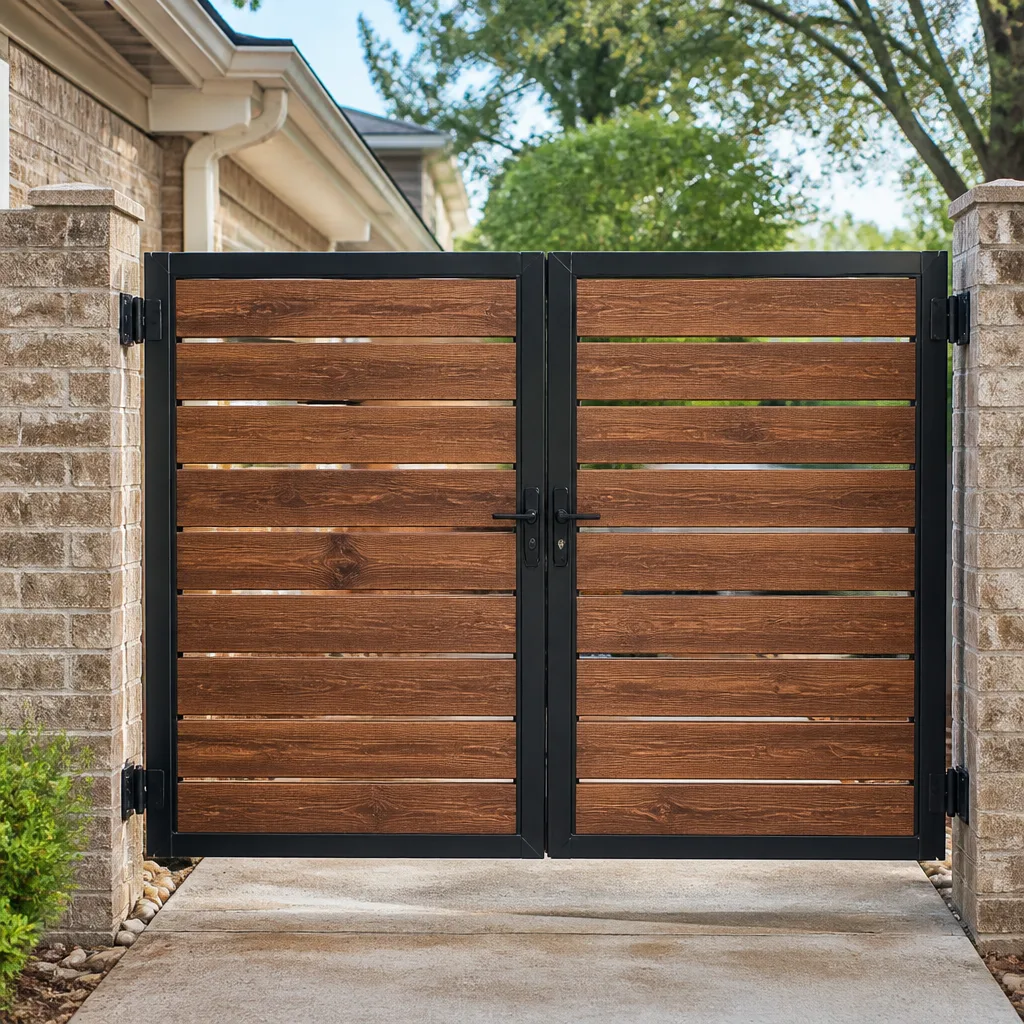 Wood & steel frame
 Farm & ranch
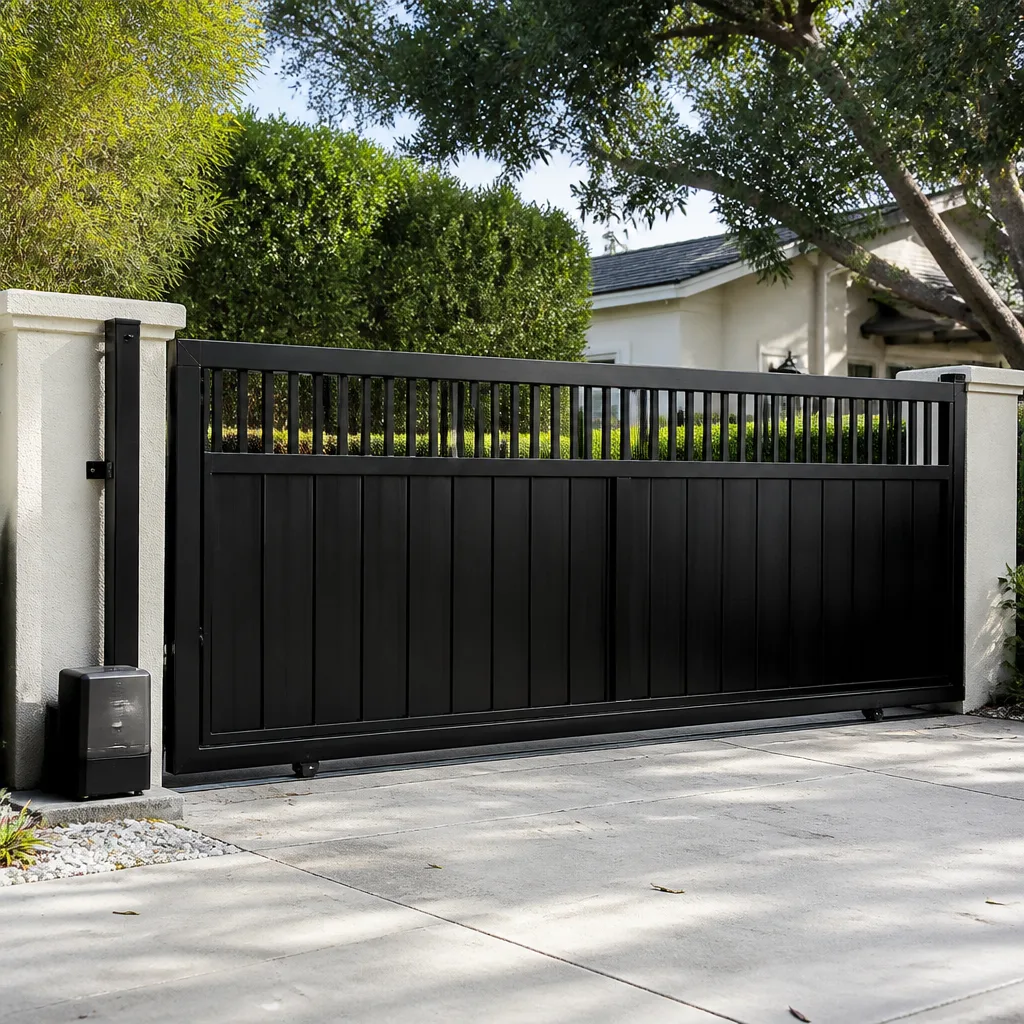 Sliding driveway gates
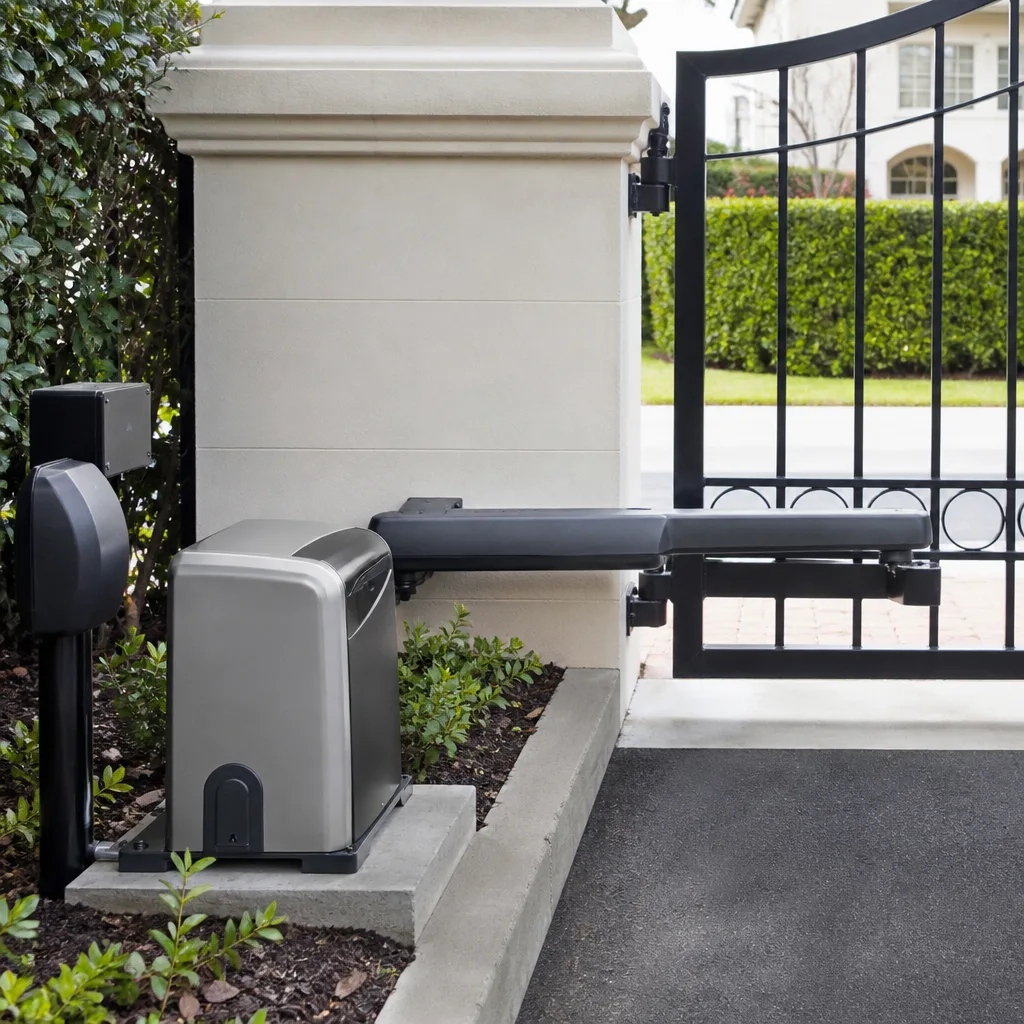 LiftMaster operators
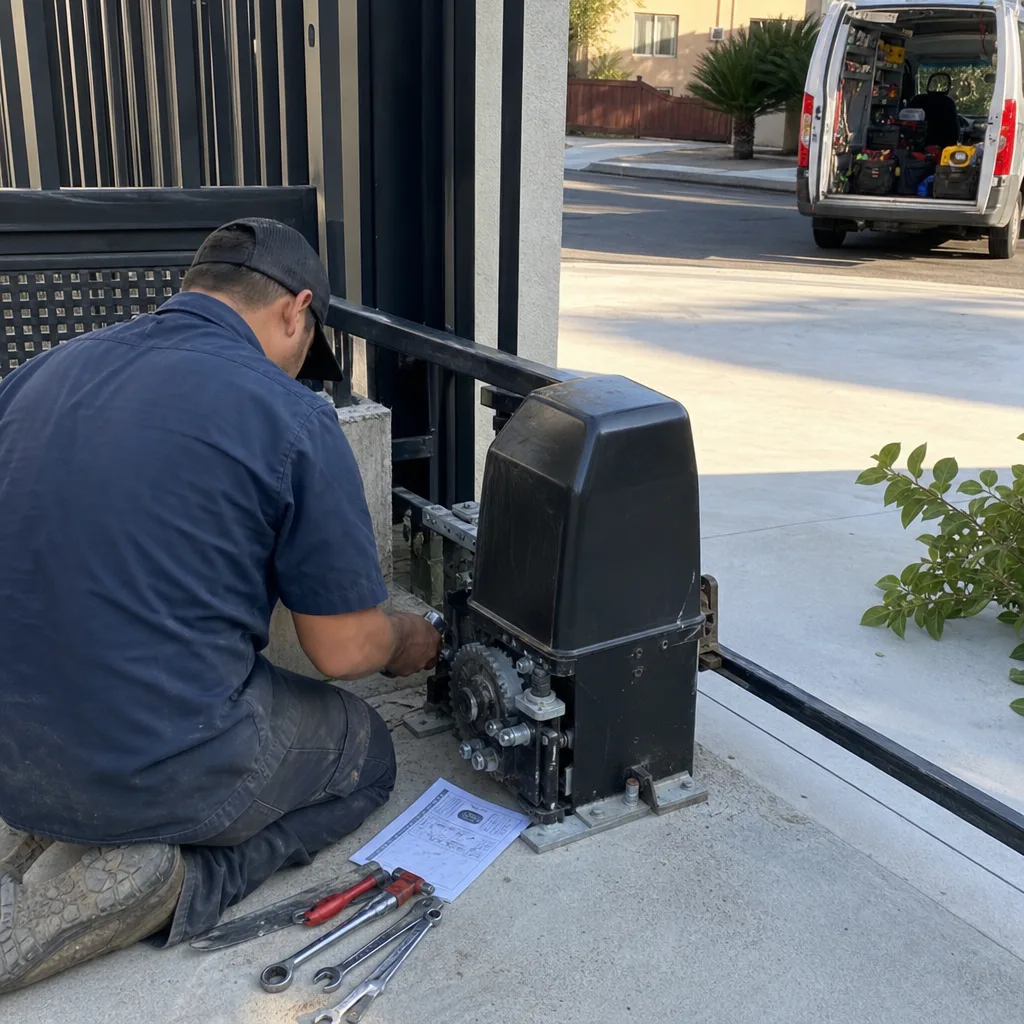
Free on-site gate assessment - hinges, posts, and your LiftMaster or Nice gate operator checked before anything is quoted
The assessment is free and the quote is the invoice.
Get your free estimateGate Repair Emergency Preparedness Guide for Bay Terraces Homes
The most dangerous moment in a gate failure isn’t when the gate stops. It’s the 60 seconds after, when a homeowner improvises a manual release on a live operator without knowing the tension state of the system. In Bay Terraces, where hillside driveways and canyon-adjacent properties put extra load on gate hardware, that first minute is where injuries happen and where secondary damage gets done. This guide walks through the pre-failure protocol every Bay Terraces homeowner should have in place, so that when a gate fails, the response is a Gate Repair Maintenance Checklist for Bay Terraces Homeowners, not a panic.
Quick Answer
A gate emergency in Bay Terraces comes down to one of two scenarios: a gate that traps a vehicle inside or outside the property, or a gate that fails open and leaves the property unsecured. The right immediate response is to cut power at the operator, perform a brand-specific manual release only if you know the tension state, and call a gate technician who can diagnose the exact operator model you have. Pre-documenting your operator brand, model, and access code location before a failure cuts emergency response time dramatically.
Styles & brands we work with
- Wrought iron
- Wood & steel frame
- Farm & ranch
- Sliding driveway gates
- LiftMaster operators
Table of Contents
- When a Gate Failure Becomes an Emergency
- The Failed Open Protocol: Securing Your Perimeter Now
- Safe Manual Release on Three Common Operator Types
- What to Document Before Anything Breaks
- Same-Day Safety Critical vs. 24-48 Hour Repairs
- What to Tell an Emergency Gate Technician When You Call
- Brand-Specific Failure Patterns We See in Bay Terraces
- Common Mistakes to Avoid
- When to Call a Professional
- Frequently Asked Questions
When a Gate Failure Becomes an Emergency
Not every gate problem is an emergency. A gate that opens slowly, a remote that needs a new battery, a creaking hinge, these are maintenance items. They can wait. But a gate failure turns into an emergency the moment it affects your ability to move a vehicle or your ability to secure the property. In Bay Terraces, the distinction matters because of how properties are laid out.
Bay Terraces sits on a series of mesas and canyons in southeastern San Diego. Many homes off Paradise Valley Road and South Woodman Street have steep driveways that terminate at a gate with no turnaround space. When a gate fails closed on one of these driveways, the vehicle is trapped. There’s no going around. The gate is the only access point.
We classify gate emergencies into two categories:
- Trap failures: The gate will not open, and a vehicle is on the wrong side of it. This is a safety issue, full stop. Emergency services, family members, or work vehicles all need access.
- Fail-open failures: The gate will not close, or a component failed while the gate was in the open position. Now the property is unsecured. In Bay Terraces, where many homes back up to open canyon space, a gate stuck open is an invitation to everything from coyotes to unauthorized vehicles.
If your failure falls into either category, it’s a same-day call. If the gate works but is noisy, slow, or intermittent, it’s a scheduled repair. Knowing the difference is the first part of having a plan.
The Failed Open Protocol: Securing Your Perimeter Now
The failed open gate is the scenario most Bay Terraces homeowners don’t prepare for. A gate stuck open feels less urgent than a gate stuck closed, because you can still get your car out. But a gate that fails open at 9 p.m. means your property is unsecured through the night. The technician might be hours away, and you need a plan for the interim.
Here’s the protocol, in order of priority:
- Cut power to the operator. This is step one, no exceptions. Find the breaker or the emergency stop switch on the operator and shut it off. A live operator that partially failed can try to move the gate on its own, which is when people get hurt and more components get damaged. The operator is the motor box, typically mounted on a post near the gate or on the gate itself.
- Chain and padlock the gate leaf to the fixed post. Use the heaviest chain you have. Run it through the gate frame and around the hinge post or catch post. The goal is to keep the gate from swinging freely in wind, which in Bay Terraces picks up in the late afternoon. A free-swinging steel gate is a hazard to anyone walking through.
- Back the vehicle in and park it as a visual and physical block. If your driveway geometry allows, position the vehicle so that it blocks the gate opening. It doesn’t need to be perfect. It needs to communicate that the property isn’t open for business.
- Check the property’s other access points. Side gates, pedestrian gates, and any gap in a hedge line that someone could slip through. The gate was the primary security layer. With it down, you need to know what else is or isn’t closed.
- Call the technician. When you call, lead with “the gate is stuck open and I’ve cut the power.” That tells the dispatcher what they need to know to prioritize the visit.
One Bay Terraces-specific note: if your property borders open canyonland or a drainage easement, treat a fail-open gate as a higher priority than you would in a dense tract neighborhood. The perimeter exposure is different. If it will be more than a few hours before a technician arrives, consider having someone stay home or scheduling the call for first thing in the morning.
Safe Manual Release on Three Common Operator Types
Every electric gate operator has a manual release mechanism. It disengages the motor so the gate can be pushed by hand. The catch: the release procedure is different for each operator type, and doing it wrong on a gate under tension can cause a sudden swing that throws the gate into you or your vehicle.
Before touching anything, cut power. That’s the rule. If the operator is live, even a momentary signal from a remote or a safety sensor can activate the motor while your hands are inside the mechanism. Power off first, always.
Ram Arm Operators
Ram arms are the most common operators on Bay Terraces driveway gates. They’re the cylinder-shaped units mounted on a pivot bracket, common on LiftMaster and BFT systems. The release is typically a small keyed cylinder or a quarter-turn latch on the arm itself, near where the arm meets the gate bracket.
What to know before you touch it: the ram arm may be under compression or extension load depending on where the gate stopped. If the gate stopped mid-travel, the arm is holding tension. Releasing it suddenly can cause the gate to jump several inches in the direction of least resistance. Stand to the hinge side, not the catch side, and keep your body out of the gate’s swing path.
Turn the release slowly. If the gate starts to move, let it. Do not try to stop it with your hand. A 300-pound steel gate moving even three or four inches will break fingers.
Articulated Arm Operators
Articulated arms are the two-piece hinged arms you see on FAAC and some BFT installations. They fold at a joint near the middle, which lets them sit flush against the post when the gate is closed. The release on articulated arms is typically a keyed lock on the arm body or a pull-pin near the joint.
The danger with articulated arms is the pinch point at the joint. When the arm is under load, the two sections are pushing against each other. If you release the pin while your fingers are near the joint, the arm can close on them. Grip the arm only at the far ends, away from the joint, and release the pin with a tool if possible.
Once released, the arm folds freely. Make sure it won’t fall into the gate’s travel path if someone later tries to open the gate manually.
Underground Operators
Underground operators sit in a foundation box below the gate hinge. They’re common on higher-end residential and commercial-style gates in Bay Terraces, and they’re the most intimidating to release because the mechanism is hidden. DoorKing and some Viking systems use this design.
The release is accessed through a small access hatch in the foundation box, typically secured with a hex bolt or a keyed cover. Inside, there’s a manual release lever that disengages the motor from the spindle.
The risk with underground operators is that the spindle may be under rotational tension from a gate that stopped mid-swing. Releasing it can cause the gate to drift hard in one direction. Before opening the hatch, check whether the gate is resting against anything, like a vehicle or a post. If it’s free-hanging, expect movement when you release.
If any of this is outside your comfort level, that’s a valid answer. A gate under tension is a loaded spring in a steel frame. Calling a technician and waiting is always safer than improvising. Electric gate repair in Bay Terraces is a same-day service when a failure traps a vehicle or leaves a property unsecured.
What to Document Before Anything Breaks
The single biggest factor in how fast an emergency gate repair gets resolved is how much information the homeowner already has. When a gate fails at 7 a.m. on a workday, nobody remembers which LiftMaster model they have or where the installer’s number went. Emergency response time starts with what you already know.
Here’s what we recommend documenting now, before anything fails. Keep it in a phone note, a laminated card near the electrical panel, or taped inside the operator cover:
- Operator brand and model number. The model is on a sticker on the side of the operator box. If you can’t find it, photograph the sticker now. The model number tells the technician which parts to bring, which release mechanism to expect, and which failure patterns match that unit.
- Gate type and approximate weight or size. Swing gate or slide gate? Single leaf or double? Rough height and width. This helps a technician know whether a repair is a one-person or two-person job, and whether a service vehicle needs to bring a lift or extra hardware.
- Installer or previous repair company name and date. If any work has been done on the gate before, that history matters. A gate that’s been repaired twice for the same symptom tells a different diagnostic story than a first-time failure.
- Location of the power shutoff. Which breaker serves the operator? Is there a separate emergency stop switch on the unit? Write it down. In an emergency, the first thing you’ll need to do is cut power, and finding the right breaker under stress wastes minutes.
- Access code location for keypads and the emergency release key. Some manual releases are keyed. Where is the key? If you don’t know, that’s a problem to solve now, not during a failure.
- Photos of the gate in its normal closed and open positions. This sounds unnecessary until a gate fails mid-travel and you’re trying to remember whether the arm was supposed to look like that. A photo gives the technician a before-reference.
This documentation is a fifteen-minute task. In our experience, it is the difference between a technician arriving with the right parts on the first trip and making a second trip because the wrong model was described over the phone. Gate repair in Bay Terraces is faster and cheaper when the homeowner has this information ready.
Same-Day Safety Critical vs. 24-48 Hour Repairs
Emergency gate services cost more than scheduled repairs because they demand a technician drop everything and route to your property. You don’t want to rush Gate Repair for a problem that could wait until Wednesday. At the same time, you don’t want to leave a real security hole open for two days because you were trying to save a dispatch fee.
Here’s how we assess it, and how you can too:
Same-Day Safety Critical
- Gate is stuck closed and a vehicle can’t enter or exit. If you can’t get your car out for work, school, or an emergency, the gate is a priority.
- Gate is stuck open and will remain unsecured overnight. A fail-open gate on a Bay Terraces property adjacent to canyon open space is a security event, not a scheduling event.
- The operator is making a grinding, screeching, or hammering noise and the gate is moving erratically. That’s a motor or gearbox in the process of destroying itself. Stop using it and call before the damage spreads.
- A gate leaf is sagging or dragging and the hinges or posts show visible movement. A gate that falls off its hinges is a several-hundred-pound weight in motion. This is the failure that causes injuries.
- Safety devices are non-functional. If the photo eyes, safety edges, or auto-reverse are dead, the gate is an injury machine. It doesn’t know to stop when a person or car is in the path.
Can Wait 24-48 Hours
- Slow operation with no unusual noises. A gate that’s sluggish but still completes its travel is typically a maintenance issue.
- Remote or keypad has intermittent issues, but the gate works from the primary control. If you can still operate the gate reliably, it’s a convenience problem, not a security problem.
- Cosmetic damage to the gate leaf with no effect on travel. Dents, rust spots, peeling paint. These are scheduled-repair territory.
- A gate that occasionally needs a second command to move. This suggests a sensor or wiring issue, but it’s not an immediate safety risk if the gate always completes its cycle.
If you’re unsure, call and describe the symptom. A good gate technician will tell you honestly whether it can wait. Gate Repair Bay Terraces home offers straightforward assessments without pushing unnecessary emergency dispatch.
What to Tell an Emergency Gate Technician When You Call
When you’re on the phone with an emergency gate repair service in Bay Terraces, the technician is trying to make one decision: do they have the parts and tools on the truck to fix this on the first visit, or do they need to make a parts run? The information you provide determines that answer.
Here’s what to have ready when you call:
- The operator brand, and the model number if you have it. This is the single most important piece of information. Mention it first. “LiftMaster LA400” tells the technician more than a five-minute description of the symptom.
- Whether the gate is stuck open, stuck closed, or partway. These are three different diagnostic paths. Be specific.
- Whether the operator makes any sound when commanded. Does it hum? Click? Grind? No sound at all? This narrows the problem to power, control board, motor, or mechanical failure.
- Whether you’ve already cut power and attempted a manual release. Be honest about this. If a release was attempted and didn’t work, the technician needs to know before they arrive.
- How the gate behaved in the days or weeks before the failure. Was it slowing down? Making a new noise? Reversing unexpectedly? The failure history is diagnostic gold.
- Your exact address and any access notes. Gate codes, side entrances, a dog on the property, all of it. Nothing slows an emergency response like a technician who can’t get to the gate they’re supposed to fix.
Write the answers down before you call if the situation allows. A calm, structured phone call gets you a better response than a rushed one.
Brand-Specific Failure Patterns We See in Bay Terraces
Gate operators share a lot of common failure modes, but each brand has its own tendencies. Knowing yours helps you recognize problems early and describe them accurately.
Mighty Mule: Mighty Mule systems are entry-level residential operators, and in our experience the weak point is the control board’s sensitivity to power surges. Bay Terraces gets afternoon thunderstorms in the summer and the occasional Santa Ana-driven power fluctuation. A surge can scramble a Mighty Mule board, leaving the gate unresponsive even though the motor is fine. The fix is usually board replacement, often along with a surge protector on the supply line.
LiftMaster: LiftMaster residential and light-commercial operators are generally robust, but the most common failure we see is in the limit switches. When a limit switch fails, the gate doesn’t know where it is. It may overrun the closed position, slamming the catch post, or stop short of opening fully. Limit switch failure typically develops gradually, often as a gate that starts overshooting slightly before it stops working entirely.
FAAC: FAAC articulated arm systems are popular on Bay Terraces properties with post-mounted gates. The failure we see most often is hydraulic fluid leakage from the arm’s internal seals. The symptom is a gate that opens or closes slower than it used to, with visible oil residue on the arm body. Left unaddressed, the arm eventually loses enough hydraulic pressure that it can’t complete a full cycle.
BFT: BFT operators show up most often on slide gates in Bay Terraces, and the recurring pattern is gearbox wear. A BFT gearbox that’s near the end of its life makes a distinctive rhythmic grinding sound on each cycle. The gate may still work, but each cycle shaves metal off the gear teeth. When a BFT gearbox fails completely, it fails without much warning, so the grinding noise is the warning. Take it seriously.
We carry diagnostic knowledge for all nine brands we service, but these four, Mighty Mule, LiftMaster, FAAC, and BFT, account for the majority of what we see on residential gates in the Bay Terraces area. A brand-matched technician is the difference between a repair done with the correct OEM-compatible parts and a generic fix that lasts a season; see our Gate Repair Permits, Codes & Inspections in CA: What You Need to Know for compliance considerations.
Common Mistakes to Avoid
- Attempting a manual release on a live operator. The number one avoidable injury we see comes from homeowners releasing a gate mechanism without cutting power first. The operator can activate mid-release and turn a stuck gate into a swinging hazard. Power off, every time, no exceptions.
- Forcing a gate open with a vehicle. Yes, people do this. Bumping the gate with a car to “get it moving” transfers load through the gate leaf into the operator, the hinges, and the post. The repair bill typically triples, and you can damage the vehicle too.
- Ignoring symptoms for weeks before a failure. Gates don’t usually fail without warning. A gate that slows down, makes noise, or hesitates is telling you something. Bay Terraces properties see more load on gate hardware than flatland homes because of the grade, which means symptoms progress faster.
- Describing the problem wrong on the phone. “The gate is broken” tells a technician nothing. “The gate is stuck open and the operator doesn’t make any sound” tells them what parts to bring. Be specific.
- Using a gate with dead safety devices. A photo eye or safety edge that isn’t working means the gate will not stop for a person, car, or pet in its path. This is the failure that turns into a hospital visit. Shut the gate down until the safety devices are repaired.
- Skipping regular maintenance on hillside installations. Bay Terraces gates on steep driveways put more stress on hinges and operators than flat-lot gates. Hinges that get checked once a year last a lot longer than hinges that only get attention when the gate falls.
When to Call a Professional
You should call a gate professional the moment a failure traps a vehicle, leaves the property unsecured, or involves a gate making mechanical noise that indicates component damage. You should also call before attempting any repair that involves the operator’s internal components, the spring or tension system, or the wiring. High-tension gate springs and live control boards are not DIY territory. A trained gate technician knows the tension states, the wiring diagrams, and the brand-specific failure patterns, and they carry the right parts to make a first-trip fix likely. Gate installation in Bay Terraces, repair, and electric gate work are all handled by one team. Gate Repair Bay Terraces offers free estimates in Bay Terraces, call (877) 573-0794.
Frequently Asked Questions
Emergency gate repair in Bay Terraces is priced by the job. Most emergency calls involve a dispatch fee plus an hourly rate for the technician. A specific quote requires knowing the operator brand, the failure mode, and the parts involved. Call (877) 573-0794 for a free estimate before any work starts. The price is quoted and agreed before a technician begins.
Gate Repair Bay Terraces handles same-day emergency calls for trap failures and fail-open situations. If the gate is stuck in a position where it blocks a vehicle or leaves the property unsecured, that’s a same-day priority. Call (877) 573-0794 and describe whether the gate is stuck open, closed, or partway, and whether the operator makes any sound.
Cut power to the operator immediately, chain and padlock the gate leaf to the fixed post, and block the opening with a vehicle if possible. Then call a technician and lead with “the gate is stuck open and I’ve cut the power.” A gate stuck open overnight is a security event, especially on Bay Terraces properties that border canyon open space.
Gate Repair Bay Terraces services nine gate and operator brands: LiftMaster, FAAC, BFT, Linear, Viking, Ghost Controls, DoorKing, Elite, and Mighty Mule. That covers residential entry-level systems through commercial-grade operators. Technicians carry brand-specific diagnostic knowledge rather than applying the same generic fix to every unit.
No. A gate with non-functional photo eyes or safety edges will not stop for a person, pet, or vehicle in its travel path. This is the failure most likely to cause a serious injury. Shut the gate down and call a professional before using it again.
Most emergency gate repairs in Bay Terraces are completed in one to three hours after the technician arrives, depending on the failure mode and whether parts need to be sourced. A brand-matched technician with the model number before arrival often completes the fix on the first trip. Call (877) 573-0794 with your brand and model number ready for the fastest service.
The Bottom Line
A gate emergency in Bay Terraces is a problem you solve before it happens. For more guides & resources, explore our blog. If you’ve documented your operator brand and model, mapped your power shutoff, and memorized the rule about cutting power before touching a release, a gate failure becomes a logistical problem instead of a crisis. When a gate traps a vehicle or fails open, the first move is always the same: cut power, secure the perimeter, call a technician with specific information. The rest is just waiting for the right parts in the right hands.
Written by the team at Gate Repair Bay Terraces, serving Bay Terraces since 2018.
See the difference
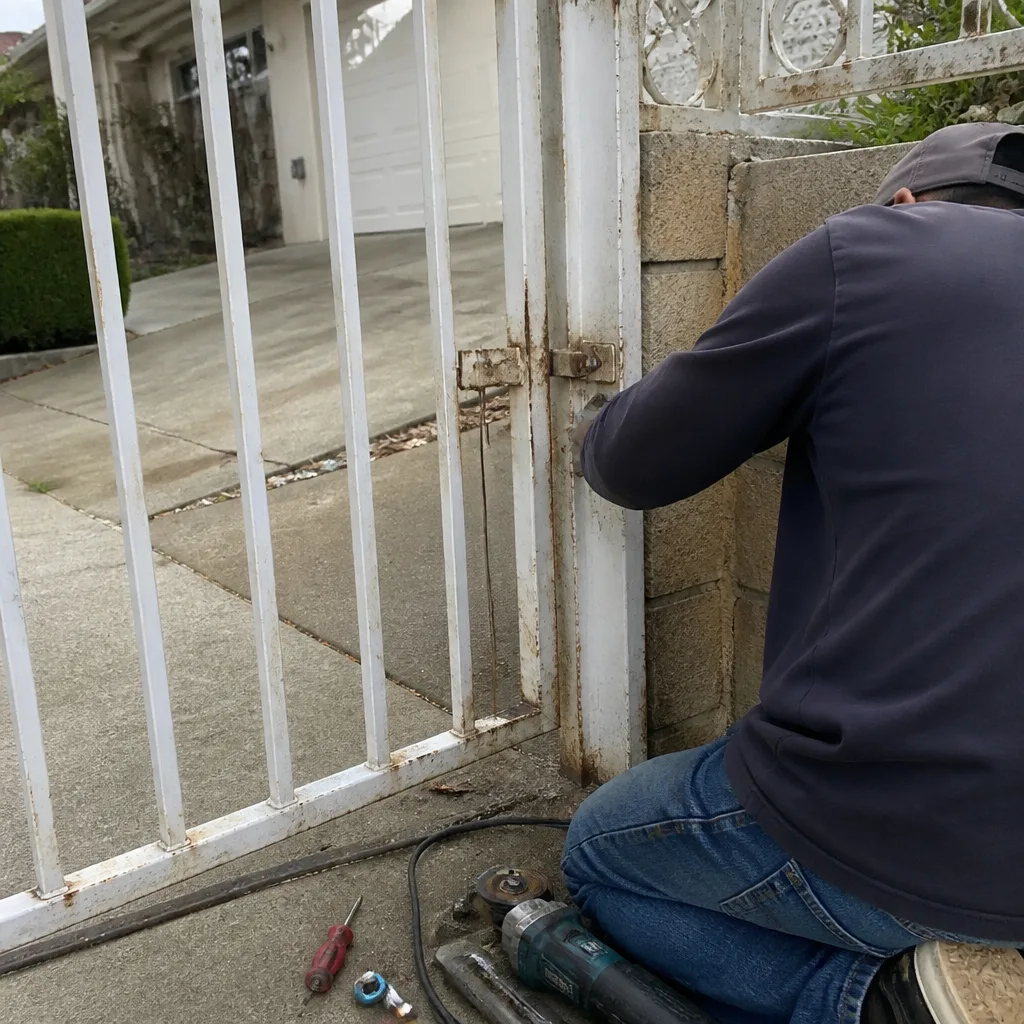
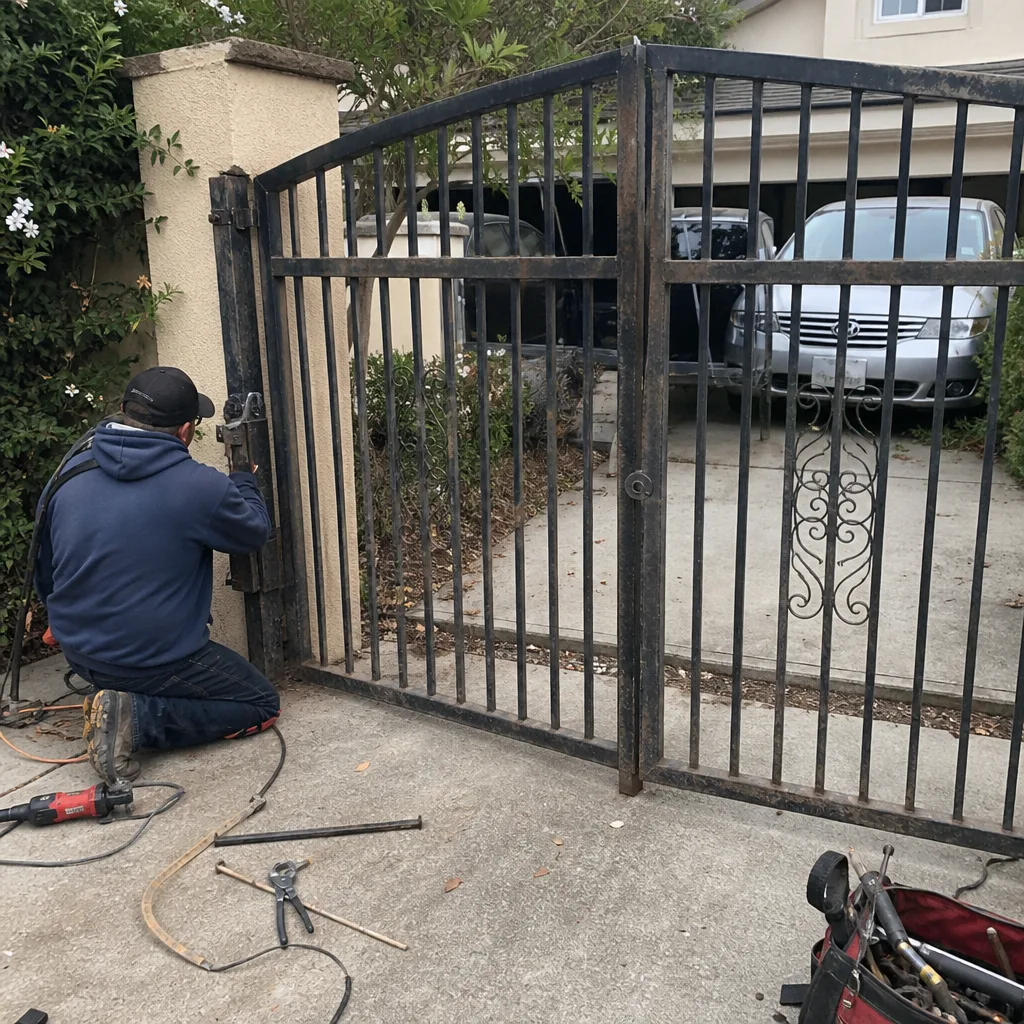 Before
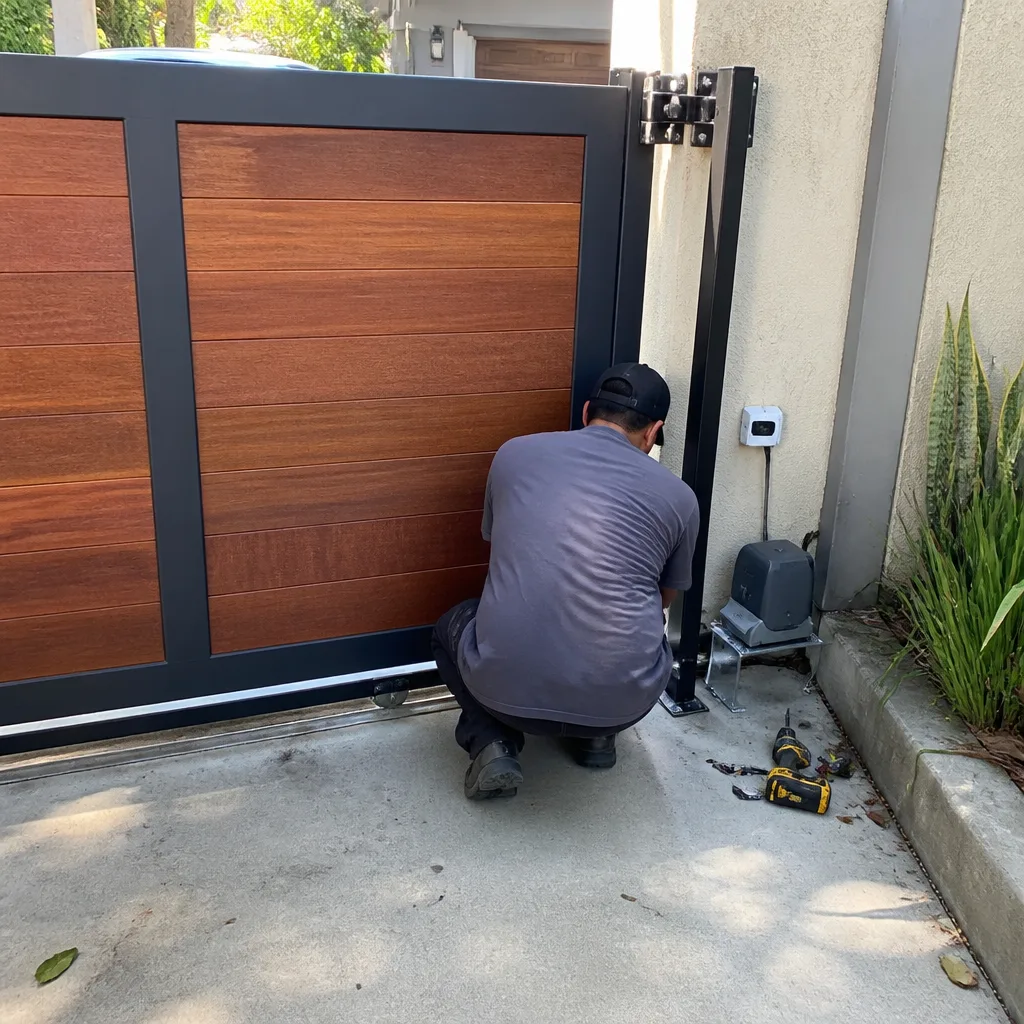
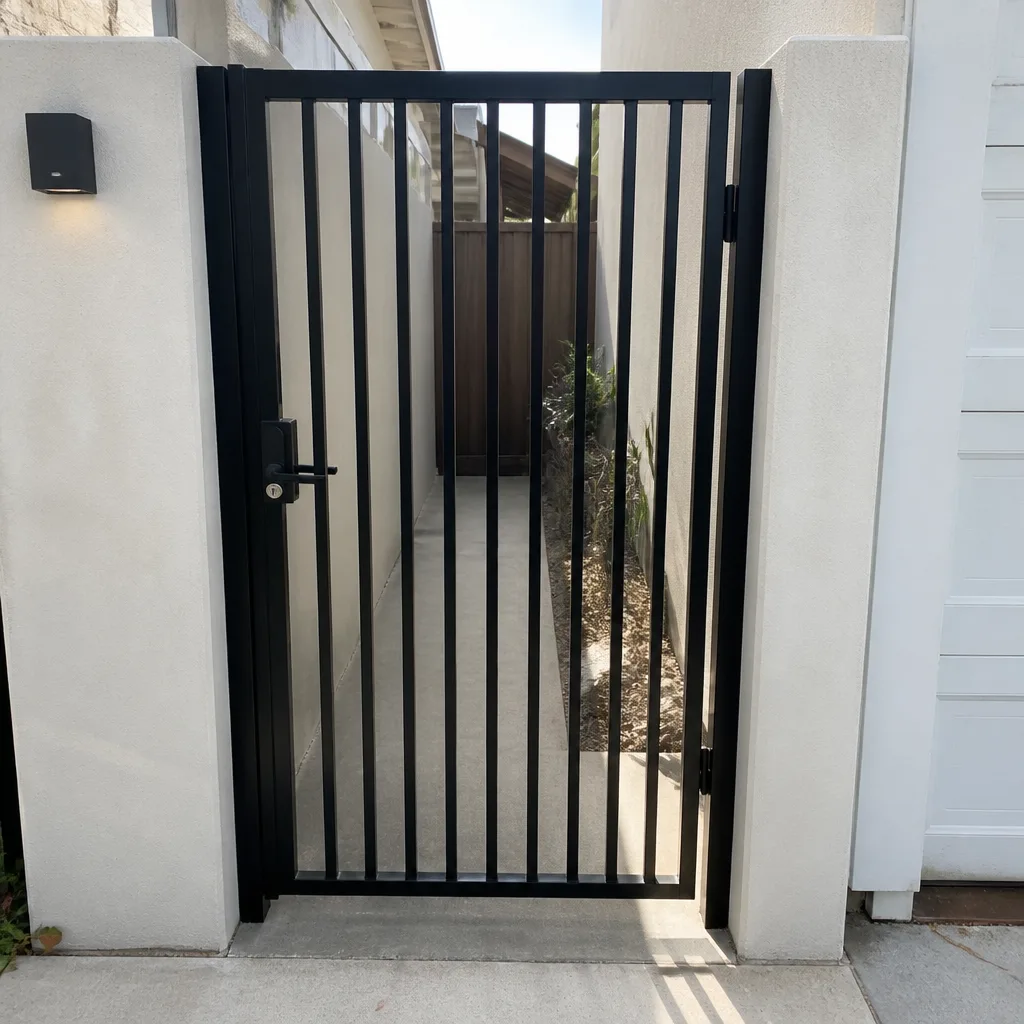 After
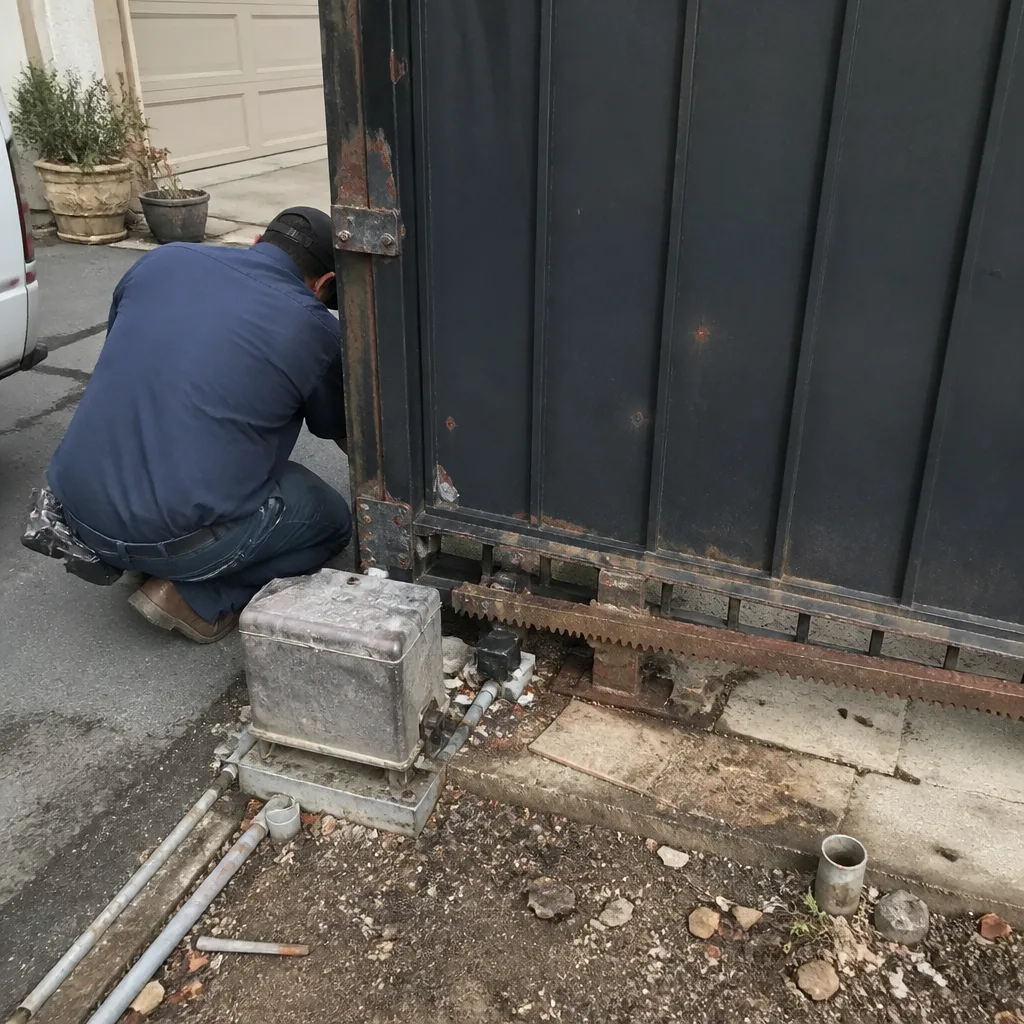 Before
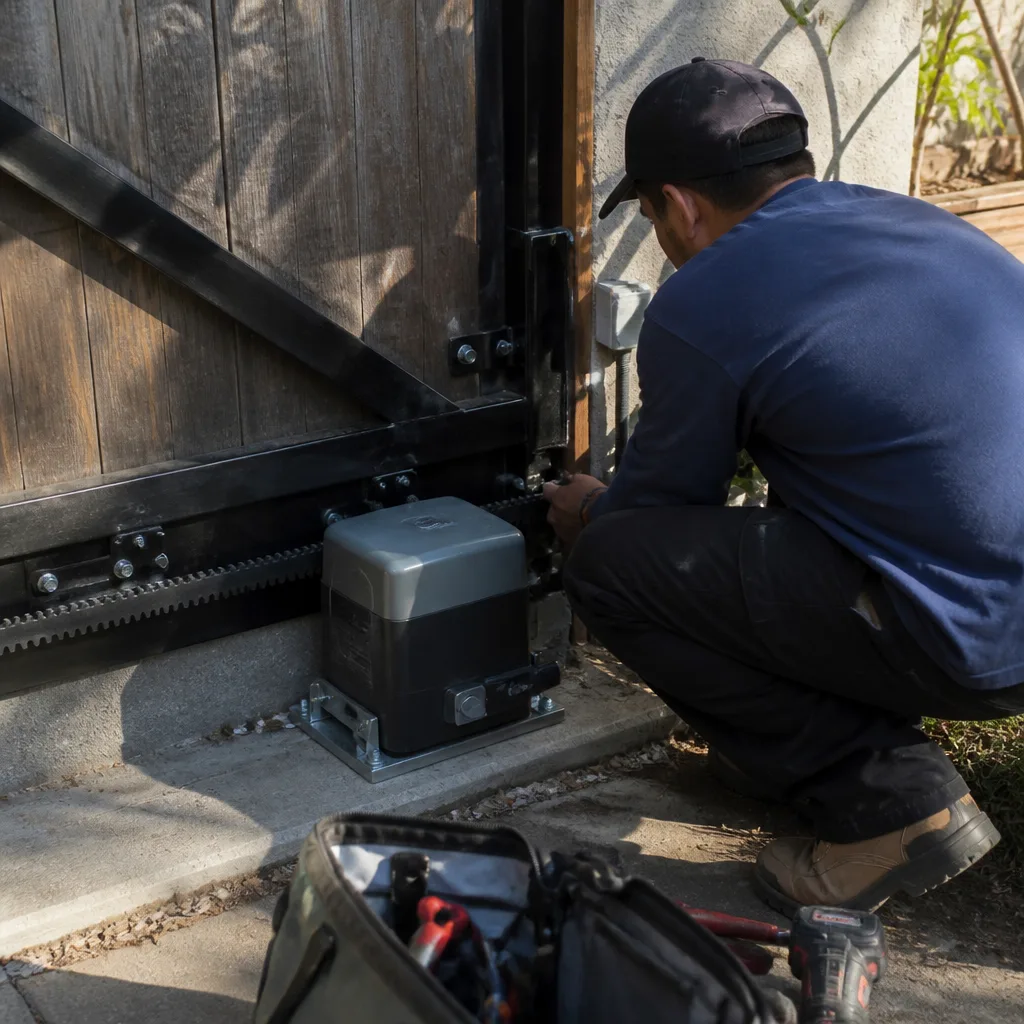 After
 Before
 After