
Last updated November 2, 2026
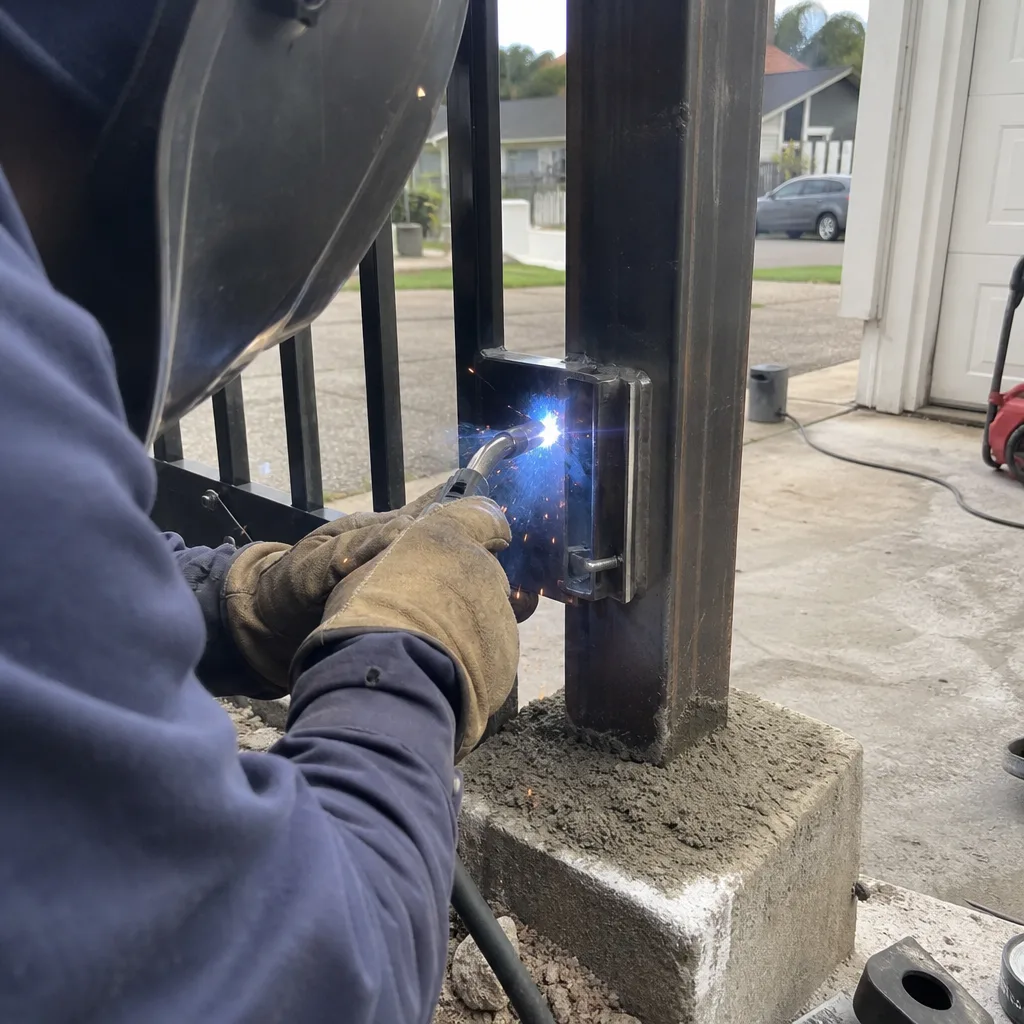
 Wrought iron
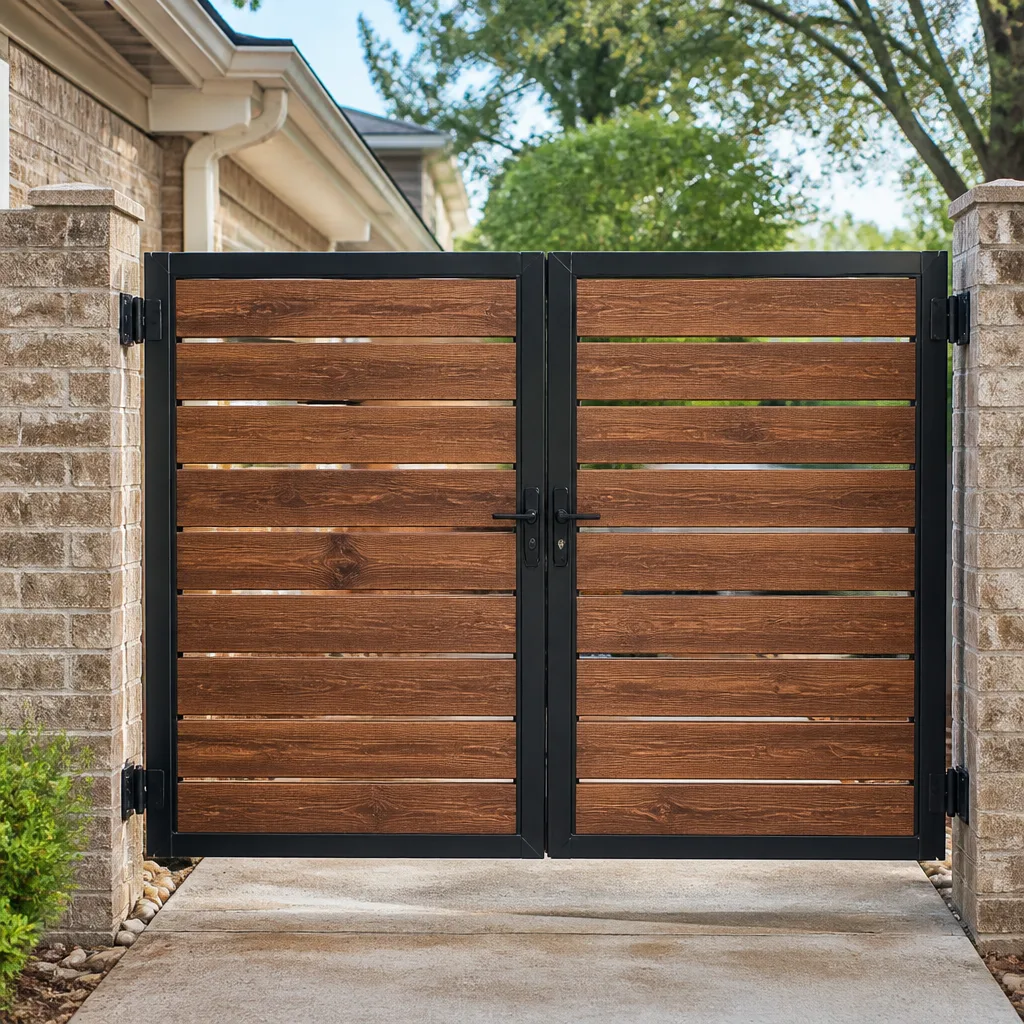 Wood & steel frame
 Farm & ranch
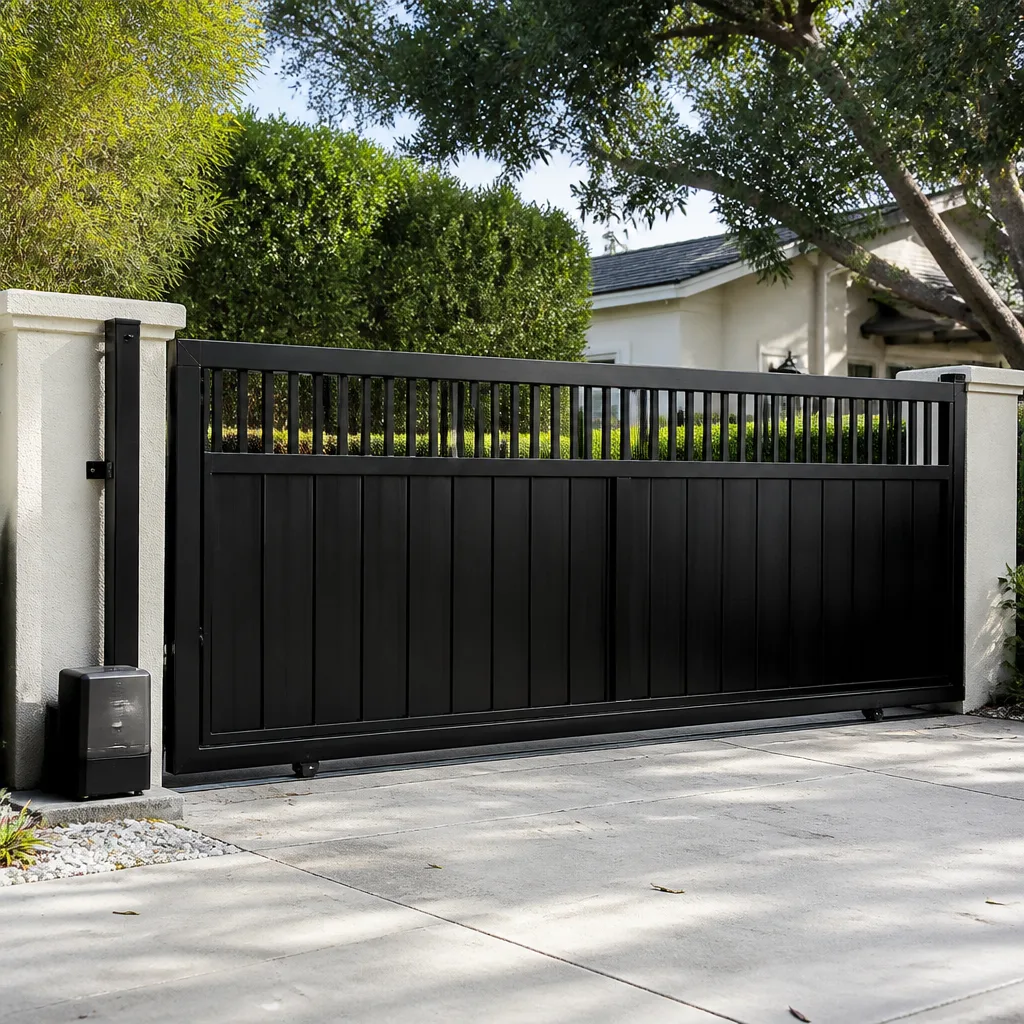 Sliding driveway gates
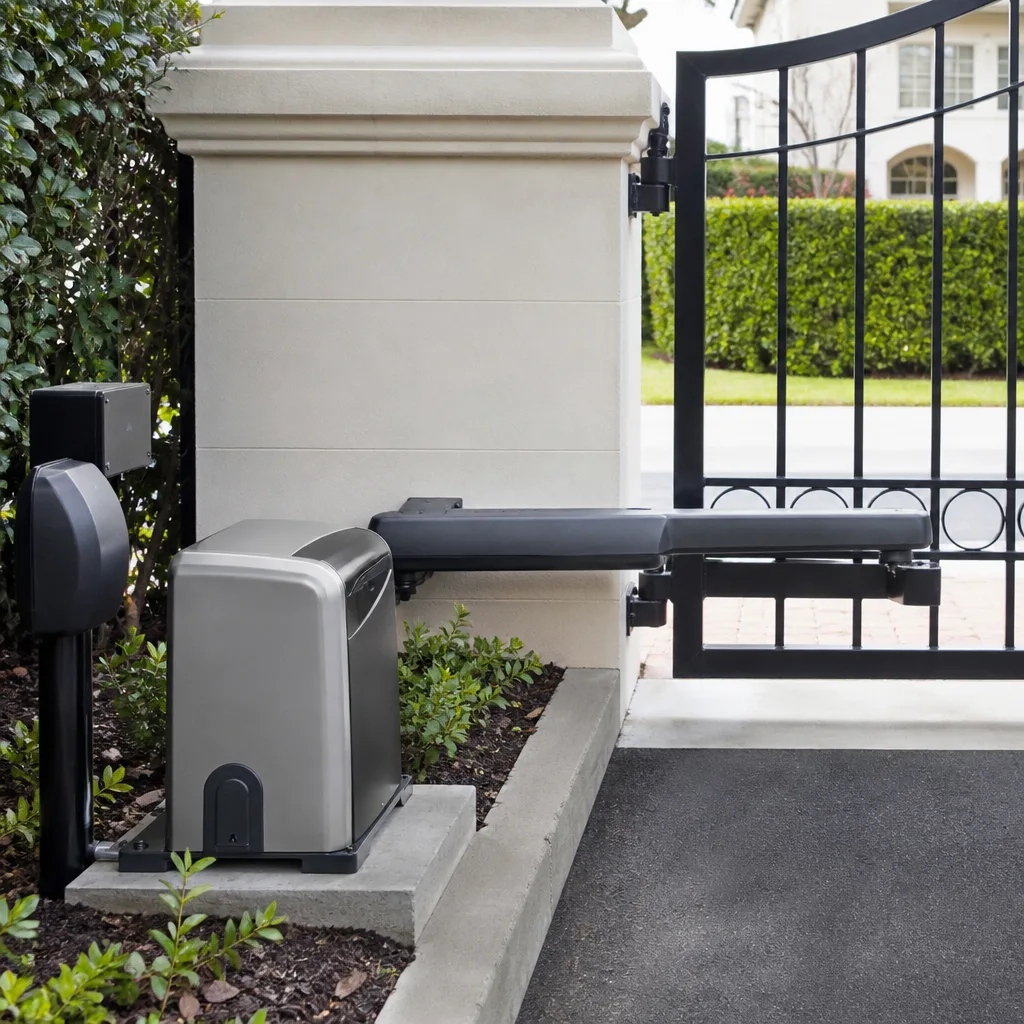 LiftMaster operators
Free on-site gate assessment - hinges, posts, and your LiftMaster or Nice gate operator checked before anything is quoted
The assessment is free and the quote is the invoice.
Get your free estimateGate Repair Maintenance Checklist for Bay Terraces Homeowners
Most printable gate maintenance checklists online were written for one gate type and applied universally – which is why homeowners complete them and still end up with failed operators six months later. A checklist built for a cantilever slide gate on a commercial lot does nothing for a residential swing gate on a hillside in Bay Terraces. This guide fixes that problem. You’ll get separate task lists for swing, slide, and overhead gate configurations, each tied to actual component wear cycles rather than generic monthly intervals. We’ve also included the Bay Terraces-specific factors – marine layer salt, UV exposure on wiring, and rodent pressure on control boxes – that most national guides never mention.
Quick Answer
A useful Bay Terraces gate maintenance checklist separates swing gates, slide gates, and overhead gates into their own task lists, because each gate type fails in different ways at different intervals. The core routine for every gate type is: inspect and lubricate moving components quarterly, test safety sensors monthly, and check electrical connections and battery backup twice a year. Bay Terraces homeowners should also account for coastal salt corrosion on metal components and UV damage to exposed wiring, which accelerates wear compared to inland locations.
Styles & brands we work with
- Wrought iron
- Wood & steel frame
- Farm & ranch
- Sliding driveway gates
- LiftMaster operators
Table of Contents
- Swing Gate Maintenance Checklist
- Slide Gate Maintenance Checklist
- Overhead Gate Maintenance Checklist
- Lubrication Specs by Component – Why the Wrong Lubricant Is Worse Than None
- Electrical Checks You Can Safely Do Yourself (and What to Leave Alone)
- Bay Terraces-Specific Environmental Factors
- How to Log Maintenance History So a Technician Can Diagnose Faster
- Common Mistakes to Avoid
- When to Call a Professional
- Frequently Asked Questions
Swing Gate Maintenance Checklist
Swing gates are the most common residential gate type in Bay Terraces, especially on properties with sloped driveways where a slide gate would require extensive track work. The failure points on a swing gate are predictable: hinge wear, operator arm stress, and limit switch drift. Here’s the component-specific checklist, organized by inspection interval.
Monthly Tasks
- Test the auto-close function. Open the gate fully and wait. It should close within the programmed delay. If it hesitates or reverses without an obstruction, the safety loop or limit switch is drifting.
- Inspect the gate leaf for sag. Stand back and look at the top edge of the gate. A visible dip toward the latch side means hinge wear. On a steel gate in Bay Terraces, hinge bushing wear happens faster than inland because salt air accelerates metal-on-metal galling.
- Check the photoelectric sensors. Wipe the sensor lenses with a dry cloth. Salt film from marine layer condensation builds up on the lenses and causes phantom obstructions. This is one of the most common service calls we see in Bay Terraces, and it’s often resolved by simply cleaning the lens.
Quarterly Tasks
- Lubricate the hinge pins and pivot points. Use a white lithium grease or a dry-film lubricant. Do not use WD-40 as a lubricant – it’s a solvent and will strip existing grease, accelerating wear.
- Inspect the operator arm attachment brackets. Look for cracks around the bolt holes and any elongation of the mounting holes. Elongated holes mean the arm is hammering against the bolts on every cycle.
- Check the limit switch settings. The gate should stop at the same position every time. If the open position drifts by even an inch, the limit cams are wearing. This is a five-minute adjustment on a LiftMaster or Mighty Mule swing operator but causes major problems if ignored.
Semi-Annual Tasks
- Remove the operator cover and inspect for pest intrusion. Ants, spiders, and occasionally rodents nest inside the warm control housing. Rodent urine corrodes circuit boards and is a leading cause of operator failure in Bay Terraces.
- Test the manual release mechanism. Disconnect the operator and swing the gate by hand. It should move smoothly with no binding. Any resistance means a hinge problem, not an operator problem.
- Inspect all low-voltage wiring for UV degradation. The insulation on exposed wires in Bay Terraces becomes brittle and cracked after two to three years of direct sun. Cracked insulation eventually exposes the conductor and causes intermittent shorts.
If your swing gate is automated with a DoorKing or Elite operator, the brand-specific wear points are the limit cams and the control board relays. These brands are common in Bay Terraces because they handle sloped driveway installations well, but their mechanical limit switches require more frequent adjustment than magnetic or optical limit systems.
Related: Learn more about our Gate Repair in Bay Terraces services, from hinge replacements to full operator overhauls.
Slide Gate Maintenance Checklist
Slide gates are less common on residential Bay Terraces lots than swing gates, but they appear on wider driveways, properties with limited swing clearance, and any home that upgraded to a commercial-style entry. The slide gate failure profile is different: track debris, roller wear, and rack-and-pinion alignment problems dominate. A slide gate in Bay Terraces faces one additional challenge – fine windblown sand and salt dust that work their way into every moving clearance.
Monthly Tasks
- Clear the track or rail. Remove leaves, sand, and debris from the V-track or flat rail. Sand is abrasive and acts like lapping compound on the roller wheels. In Bay Terraces, the dry season brings fine dust that accumulates fast.
- Inspect the roller wheels for flat spots. A slide gate that thumps as it moves usually has a flat-spotted roller. Flat spots develop when debris jams the wheel and it drags instead of rolls.
- Check the rack and pinion alignment. Look along the rack (the toothed bar). It should run parallel to the gate with the pinion gear fully meshed. Misalignment causes the gear to chip teeth, and a chipped tooth on the rack can lock the gate entirely.
Quarterly Tasks
- Lubricate the roller bearings. Use a light machine oil, not grease. Grease attracts sand and creates an abrasive paste. In Bay Terraces, where coastal sand is always in the air, this distinction matters more than most guides acknowledge.
- Lubricate the rack and pinion. Use a dry-film lubricant with PTFE or molybdenum disulfide. The wrong lubricant on a rack-and-pinion drive accelerates wear faster than no lubrication at all – a wet grease grabs sand particles and grinds the teeth down.
- Check the end stops and catch posts. The gate should contact the end stop smoothly without slamming. Worn rubber stops transmit shock into the operator and shorten its life.
Semi-Annual Tasks
- Inspect the chain drive (if equipped) for tension and lubrication. A loose chain slaps against the housing and stretches over time. A too-tight chain loads the motor bearings and shortens operator life.
- Check the gate frame for sagging or twisting. A slide gate that drags at one end usually has a frame problem, not a roller problem. Leveling a twisted gate frame is a job for a technician with the right equipment.
- Test the obstruction detection system. Place a cardboard box in the gate’s path and attempt to close it. The gate should stop and reverse. If it doesn’t, the safety system is compromised and needs immediate attention.
Viking and LiftMaster slide operators are common choices for Bay Terraces property managers upgrading from manual gates. Both brands use optical limit sensors rather than mechanical cams on their current models, which reduces one maintenance headache but introduces another – the optical sensors must stay clean, and the salt haze from the marine layer is enough to trigger faults.
Need a second opinion on a slide gate issue? Our Gate Repair Bay Terraces home team specializes in slide gate diagnostics across all major brands.
Overhead Gate Maintenance Checklist
Overhead gates – sometimes called vertical pivot gates or lift gates – are rare in Bay Terraces residential settings but do appear on homes with very short setbacks where neither a swing nor a slide gate fits. The failure profile here is concentrated in counterbalance springs, pivot bearings, and operator chain tension. One important note before reading further: the counterbalance springs on an overhead gate are under high tension and can cause serious injury if mishandled. Inspection is safe. Adjustment or replacement is not a homeowner task.
Monthly Tasks
- Visual inspection of the counterbalance springs. Look for rust, gaps between coils, or a sagging spring. Any of these three conditions means the spring is compromised and should be evaluated by a technician.
- Test the open and close cycle. The gate should move smoothly through its full arc without jerking or hesitation. Jerky motion on an overhead gate often indicates a spring that’s losing tension unevenly.
- Check the pivot bearings. Wipe the pivot points clean. On Bay Terraces properties near the bluffs, the constant salt exposure means these bearings need cleaning more often than the manufacturer’s interval suggests.
Quarterly Tasks
- Lubricate the pivot bearings. Use a heavy-bodied grease that stays in place. Light oils run off vertical pivot bearings within days.
- Inspect the operator chain or belt. Check for rust, stiff links, and proper tension. A chain that’s developing rust on an overhead gate in Bay Terraces is a sign that the chain is exposed to marine air and needs a corrosion-inhibiting coating.
- Check the mounting brackets at the wall and the gate. Look for cracks or wall stress. The forces on an overhead gate’s mounting points are significant, and concrete anchors can loosen over time.
Semi-Annual Tasks
- Have the counterbalance spring tension professionally tested. The spring should hold the gate in position when the operator is disengaged. A spring that’s lost tension transfers excessive load to the operator motor.
- Inspect the operator’s internal wiring and capacitor. An aging capacitor causes slow starts and eventually prevents the motor from starting at all.
- Test the manual operation with the operator disengaged. The gate should be balanced enough to move by hand without excessive effort. If it takes both hands and significant force, the spring system needs service.
Because overhead gates are uncommon, many generalist services misdiagnose them. Our Electric Gate Repair in Bay Terraces team works with overhead systems from Ghost Controls and LiftMaster, and we know the specific failure patterns of each brand’s overhead configuration.
Lubrication Specs by Component – Why the Wrong Lubricant Is Worse Than None
Here’s a fact most gate maintenance guides gloss over: lubricating the wrong component with the wrong product does more damage than skipping lubrication entirely. A wet grease on a rack-and-pinion drive grabs airborne sand – and Bay Terraces has no shortage of airborne sand near the canyon mouths – turning the lubricant into a grinding paste. A solvent spray like WD-40 on a hinge joint strips the existing grease film and leaves the metal unprotected against salt air. Here’s the component-by-component breakdown.
- Hinge pins and pivot points (swing gates): White lithium grease or dry-film lubricant. Apply sparingly – a thin film is enough. Excess grease attracts dust and drips onto the gate face.
- Roller bearings (slide gates): Light machine oil, not grease. Bearings need an oil that penetrates the seal without trapping particles. A heavy grease traps sand and causes the bearing to seize.
- Rack and pinion (slide gates): Dry-film PTFE or molybdenum disulfide spray. Apply, let dry, then wipe excess. The dry film leaves a protective coating without a tacky surface that collects grit.
- Chain drives (slide and overhead gates): Chain-specific spray lubricant designed to penetrate links and leave a tack-free film. Never use general-purpose grease on a chain – it hardens and causes stiff links.
- Pivot bearings (overhead gates): Heavy-bodied bearing grease. These bearings are under load constantly and need a grease that stays put.
- Operator track (cantilever and overhead gates): Dry-film lubricant only. Wet lubricants on a track cause the rollers to skid instead of roll, which creates flat spots.
One Bay Terraces-specific note: the marine layer deposits a fine salt film on everything overnight. Before lubricating any component, wipe it down with a dry cloth to remove the salt film. Lubricating over salt traps the corrosion agent against the metal and accelerates pitting. This single habit extends component life more than any other maintenance action.
If you’re uncertain which lubricant a given component on your gate needs, we’d rather you ask than guess. The team at Gate Installation in Bay Terraces can confirm the right product during a service visit, and we’re happy to point out which parts of your specific gate need attention.
Electrical Checks You Can Safely Do Yourself (and What to Leave Alone)
Electric gate systems have diagnostics that any Bay Terraces homeowner can perform safely without opening a control box or touching line voltage. These checks catch the majority of electrical problems before they strand a gate open or shut. And just as important: here’s what you should not touch, because the line voltage inside an operator is genuinely dangerous.
Safe Checks (No Tools Required)
- Photocell alignment test. Block one photocell with your hand and try to close the gate. It should refuse to close. If the gate closes anyway, the safety circuit is bypassed or the photocell is out of alignment. Misaligned photocells are the most common reason an electric gate refuses to close in Bay Terraces.
- Battery backup test. Unplug the operator (or flip its dedicated breaker) and try to operate the gate. A functioning battery backup should cycle the gate at least a few times. If the gate is dead, the battery has failed. Battery backups in Bay Terraces last two to three years, not the five to seven manufacturers advertise, because temperature swings and salt humidity degrade lead-acid cells faster.
- Loop detector sensitivity check. Drive a vehicle onto the exit loop and wait. The gate should detect the vehicle and either hold open or open if closed. If the gate opens for a car but not a bicycle or motorcycle, the loop sensitivity is set too low – a five-minute adjustment for a technician.
- Receiver range test. Operate the gate from your remote at the end of your driveway, then from inside your parked car. If the range has shortened noticeably, the receiver antenna may be pinched or the remote battery is failing. Shortened range also happens when a new metal object – a parked car, a replaced mailbox, a new fence section – blocks the signal path.
What Requires a Technician
Do not open the operator’s control box if you’re not trained. The incoming line voltage inside an electric gate operator is enough to cause serious injury or death, and several components inside the box hold a charge even after the breaker is off. This includes the motor start capacitor, the transformer, and in some older models, the relay board. If a breaker trips repeatedly, if the operator hums but doesn’t move, or if you smell burning insulation near the control box, call a professional. Those are not diagnostic-friendly symptoms for a homeowner.
We’ve seen enough control boxes with rodent damage, corroded terminals, and fried circuit boards in Bay Terraces to know that the inside of an operator is no place for guesswork. When we diagnose an electric gate issue, we’re looking at the board, the transformer, the capacitor, and the wiring as a complete system – because that’s what it is.
Bay Terraces-Specific Environmental Factors
Bay Terraces sits in a marine-layer zone that most national gate maintenance guides don’t account for. Three environmental factors shape how fast gate components wear here, and your maintenance schedule should reflect them.
Marine Layer Salt Exposure
The overnight fog that rolls through Bay Terraces doesn’t just make everything damp – it carries fine salt particles that settle on metal surfaces. Unprotected steel on a gate hinge will show pitting within a year. Powder-coated surfaces fare better but still accumulate salt film in joints and on fasteners. The practical takeaway: wipe down metal components with a dry cloth before lubricating, inspect fasteners for rust every quarter, and consider replacing zinc-plated hardware with stainless steel when components fail. If your gate has galvanized gate hardware, check it more frequently – galvanization buys time, not immunity.
UV Degradation on Wiring
Bay Terraces sees over 260 sunny days a year. Low-voltage wiring that’s exposed to direct sun – along gate frames, on fence posts, anywhere outside conduit – degrades fast. Insulation becomes brittle, cracks, and eventually flakes off, exposing the conductor to moisture. Intermittent gate behavior often traces back to a wire that’s shorting against the gate frame only when it’s damp or when the gate moves. The fix is simple: any exposed wire should be run through UV-rated conduit or replaced with sunlight-resistant (SR) rated cable.
Pest Intrusion in Control Boxes
The canyons and open space around Bay Terraces mean healthy populations of rodents, and control boxes are warm, dry, and protected – ideal nesting sites. Rodent nests inside operators cause corrosion on circuit boards, chewed insulation on low-voltage wiring, and occasionally shorts that take out a board entirely. Semi-annual operator inspection should include checking the control box for droppings, nesting material, or entry points. Sealing conduit knockouts and using stainless steel wool in cable entry points (rodents won’t chew through it) prevents most infestations.
A maintenance checklist written for Phoenix or Denver simply doesn’t apply to Bay Terraces. Our service area has its own wear patterns, and the checklist above is built around them.
How to Log Maintenance History So a Technician Can Diagnose Faster
When a gate fails, the most valuable thing you can hand a technician isn’t the operator’s manual – it’s a maintenance log. A well-kept log turns diagnosis from a guessing game into a timeline analysis. Here’s how to keep one that actually helps.
What to Record
- Date and task performed. “Lubricated hinges – 3/15” is enough. The date matters because it tells us whether a component failed prematurely or at end of life.
- Any abnormal observation. “Gate sounds different when opening,” “Remote range getting shorter,” “Gate stopped and reversed without obstruction.” These notes are diagnostic gold.
- Parts replaced, with brand if known. If you replaced a hinge, a battery, or a remote, note the brand. A technician diagnosing a DoorKing operator with a third-party replacement part installed needs to know that.
- Any technician visits, including what was done. A complete service history reveals pattern failures – the same hinge wearing out twice in 18 months points to a gate balance problem, not a defective part.
How to Keep It
- Use a notes app on your phone. Log the entry while you’re standing at the gate; memory is unreliable a month later.
- Take a photo of the component you inspected, even if nothing’s wrong. A baseline photo helps a technician spot changes.
- Store the log where it’s accessible to anyone in the household who might call for service. When a gate fails, you want that history in front of you when you dial.
A homeowner with a six-month maintenance log saves us real diagnostic time, which saves you real money. When we know that a gate was functioning normally until three weeks ago and the remote range dropped sharply before it stopped opening entirely, we’re already 80% of the way to the diagnosis before we arrive. That’s what we mean when we say a diagnostic-focused approach gets the job done right the first time.
Common Mistakes to Avoid
- Using a universal checklist for a specific gate type. A swing gate checklist applied to a slide gate means missing the rack and pinion entirely. Match the list to the gate.
- Lubricating everything with the same product. The grease that protects a hinge destroys a roller bearing by trapping sand. Use the right product per component, as specified above.
- Ignoring the manual release. If you never test the manual disengagement, you won’t know it’s seized until the power fails and you can’t open your gate. Test it twice a year.
- Treating the operator as the problem when the gate binds. Most electric gate failures trace back to mechanical issues – worn hinges, debris in the track, sagging frames – that force the operator to work harder until its motor or board fails. Fix the mechanical problem first.
- Skipping pest inspection on the control box. In Bay Terraces, pest intrusion is a primary cause of circuit board failure. Five minutes of inspection every six months prevents a multi-hundred-dollar board replacement.
- Replacing a gate when a component replacement would suffice. We’ve seen Bay Terraces homeowners quoted full gate replacements for problems that were actually a worn hinge and a tired operator. Before you pay for a new gate, get a second opinion from a company that specializes in gate installation as well as repair – they can tell you honestly whether replacement is warranted or repair makes more financial sense.
- Doing nothing until the gate fails. Gates rarely fail without warning. The gate that’s been moving slower, sounding different, or hesitating for six weeks is telling you something. Maintenance catches problems at the “cheap fix” stage; neglect catches them at “full replacement” stage.
When to Call a Professional
Some maintenance tasks are homeowner-appropriate. Some are not. Call a gate professional when: the gate trips its breaker repeatedly; the operator hums but doesn’t move; you see visible damage to the counterbalance spring on an overhead gate; the gate reverses on its own without an obstruction present; or a component needs replacement and you’re not certain of the correct part. High-tension springs, line-voltage wiring, and control-board diagnostics are not DIY territory. The risk of serious injury outweighs any cost savings. Gate Repair Bay Terraces offers free estimates in Bay Terraces – call (877) 573-0794 and we’ll assess the problem and give you a written price before any work starts.
Frequently Asked Questions
A light monthly check (auto-close test, sensor wipe, visual inspection) plus a more thorough quarterly lubrication and inspection routine is right for most Bay Terraces gates. The quarterly schedule matters more here than inland because salt air and sand accelerate component wear. Semi-annual electrical checks and pest inspections round out the schedule. Call (877) 573-0794 if you haven’t had your gate professionally inspected in over a year – a baseline assessment will tell you what your specific gate needs.
Photocell faults caused by salt film accumulation on the sensor lenses are the most frequent issue we see in Bay Terraces. The marine layer deposits a fine salt haze on the lenses overnight, which reads as an obstruction and prevents the gate from closing. Cleaning the lenses with a dry cloth is the immediate fix. Persistent issues after cleaning usually point to actual misalignment or a failing sensor.
Cleaning, visual inspection, lubrication of accessible components, and safety sensor tests are all homeowner-appropriate tasks. Do not open the operator control box, attempt spring adjustments, or work on line-voltage wiring – those tasks carry genuine risk of injury or equipment damage. For anything beyond the checklist above, call a gate specialist rather than guessing.
Use a dry-film lubricant with PTFE or molybdenum disulfide on the rack and pinion, and light machine oil on roller bearings. Never use wet grease on any slide gate component – it attracts the fine sand that’s constantly in the air near Bay Terraces canyons and turns into an abrasive compound that grinds the drive components down.
Expect two to three years from a lead-acid battery backup in Bay Terraces, compared to the five to seven years manufacturers advertise. The combination of temperature swings, salt humidity, and occasional heat waves shortens battery life. Test the backup function twice a year and plan for replacement every three years at most. For an exact assessment of your system’s battery health, call (877) 573-0794 for a free estimate.
Repair is worth pursuing when the gate frame is structurally sound, the hinge or roller points are intact, and the operator is a brand with available parts and a service history. Replacement makes sense when the frame is sagging or rusted through, multiple major components have failed simultaneously, or the automation system is obsolete and no longer supported. A company that does both electric gate repair and installation can give you an honest comparison rather than pushing you toward whichever service is more profitable for them. Our team at Gate Repair Bay Terraces works with LiftMaster, DoorKing, Elite, Mighty Mule, and five other major brands, so we can tell you whether your specific system is worth repairing.
The Bottom Line
Gate maintenance in Bay Terraces works when it’s specific to your gate type, adjusted for local environmental factors, and logged consistently. A swing gate needs hinge inspection and limit switch checks. A slide gate needs track cleaning and rack-and-pinion care. An overhead gate needs spring monitoring and pivot bearing attention. None of them benefit from a generic checklist. Coastal salt, canyon sand, and pest pressure all shorten component life here, which means your quarterly routine does more work than it would inland. Keep the log, use the right lubricants, and know which electrical checks are safe to perform yourself. When something exceeds your comfort level, you know where to find us.
Written by the team at Gate Repair Bay Terraces, serving Bay Terraces since 2018.
See the difference
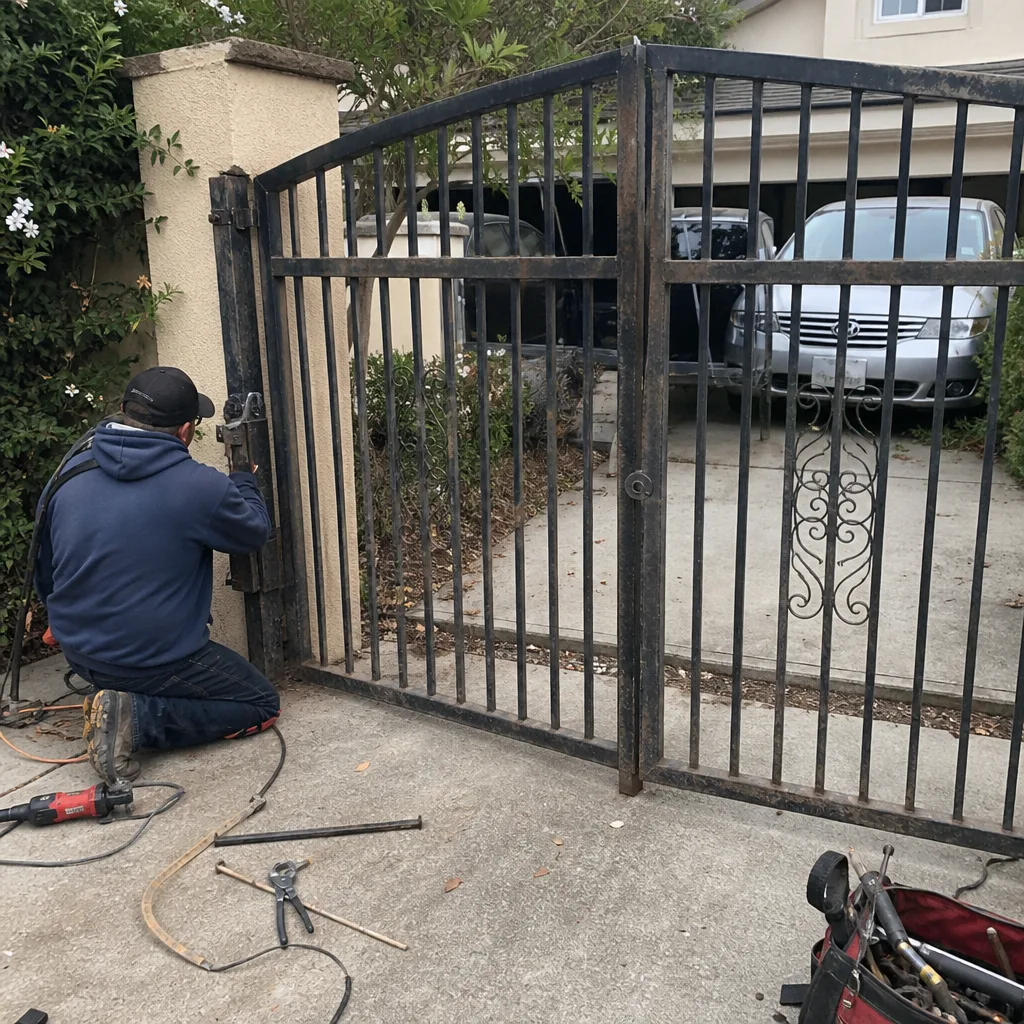 Before
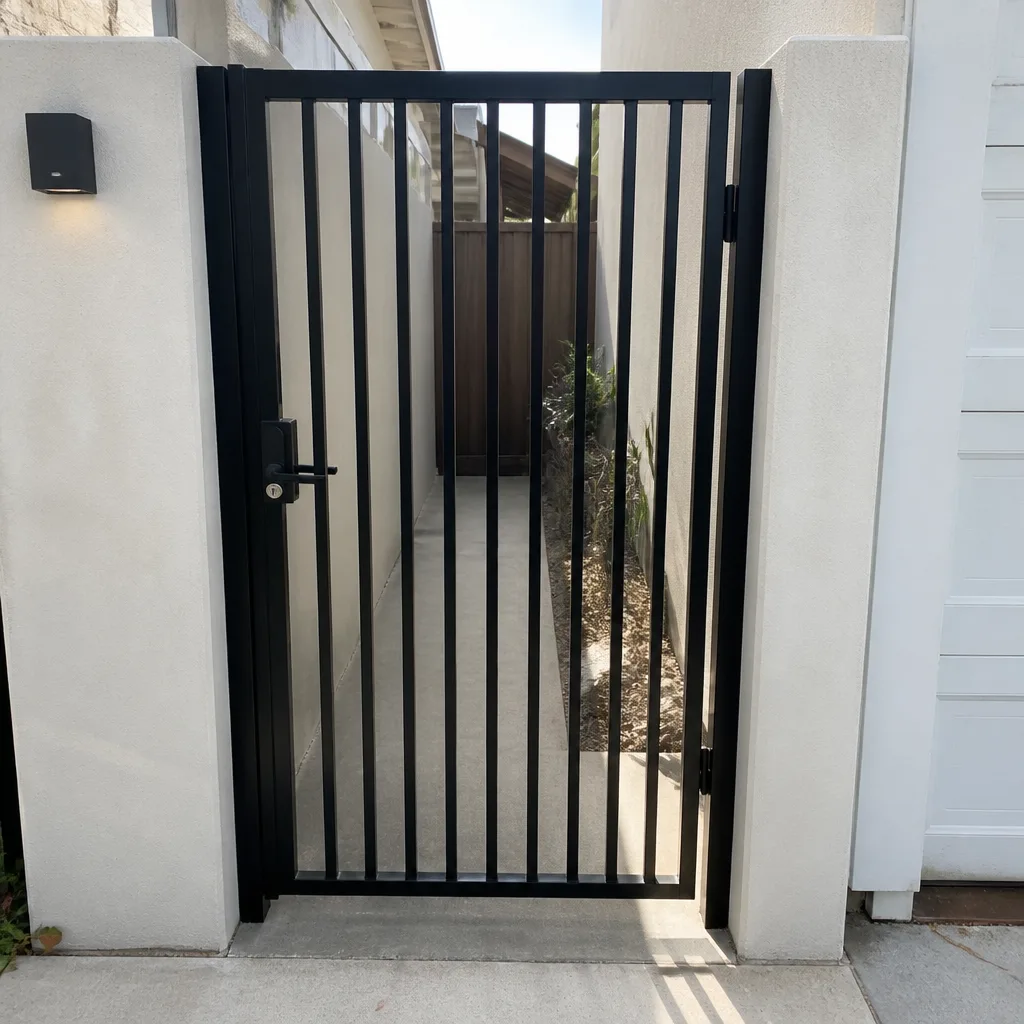 After
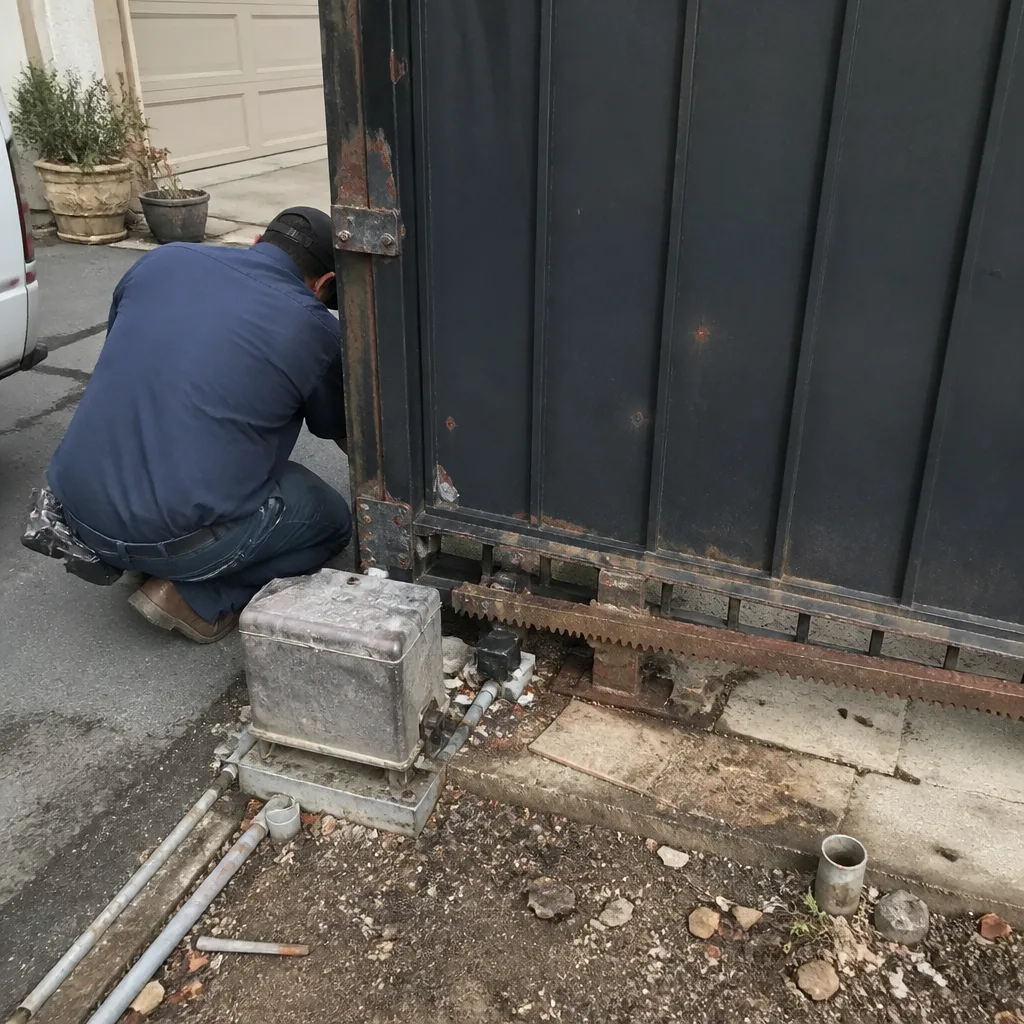 Before
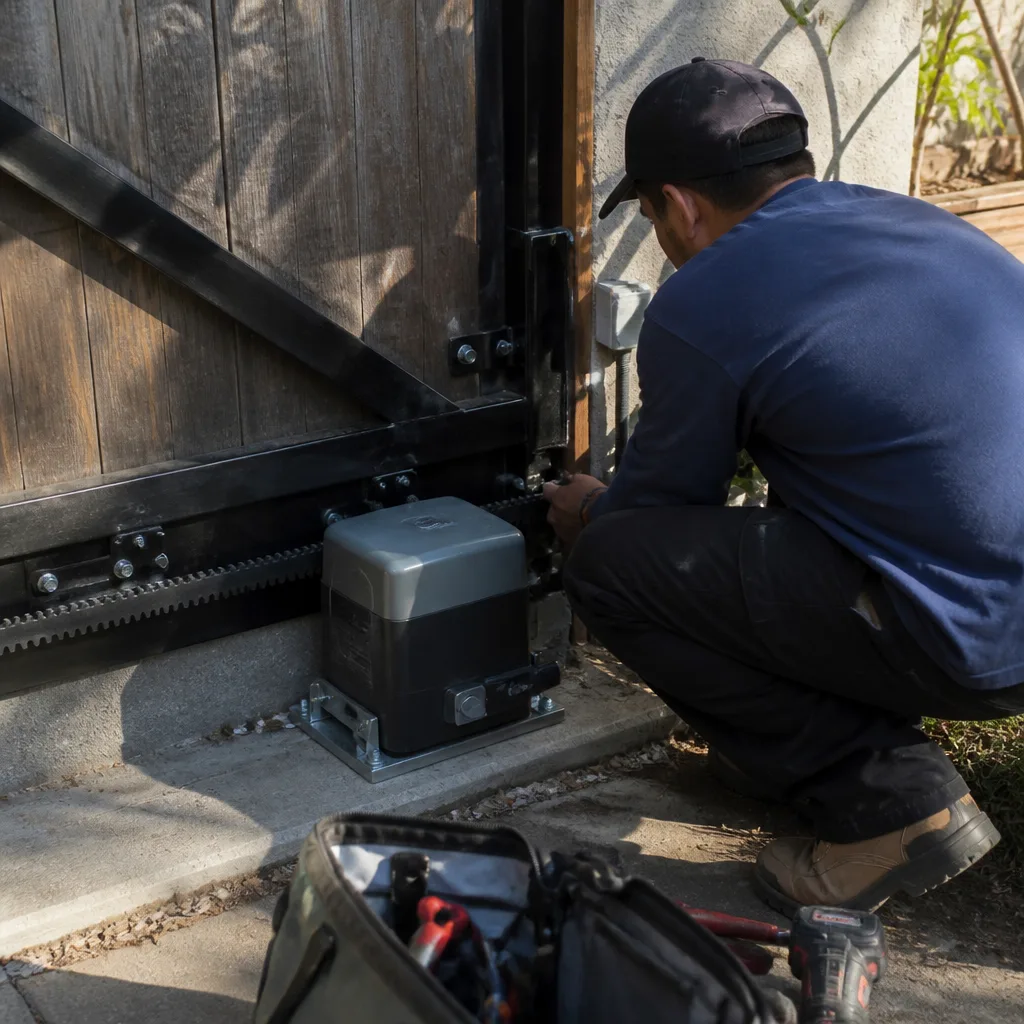 After
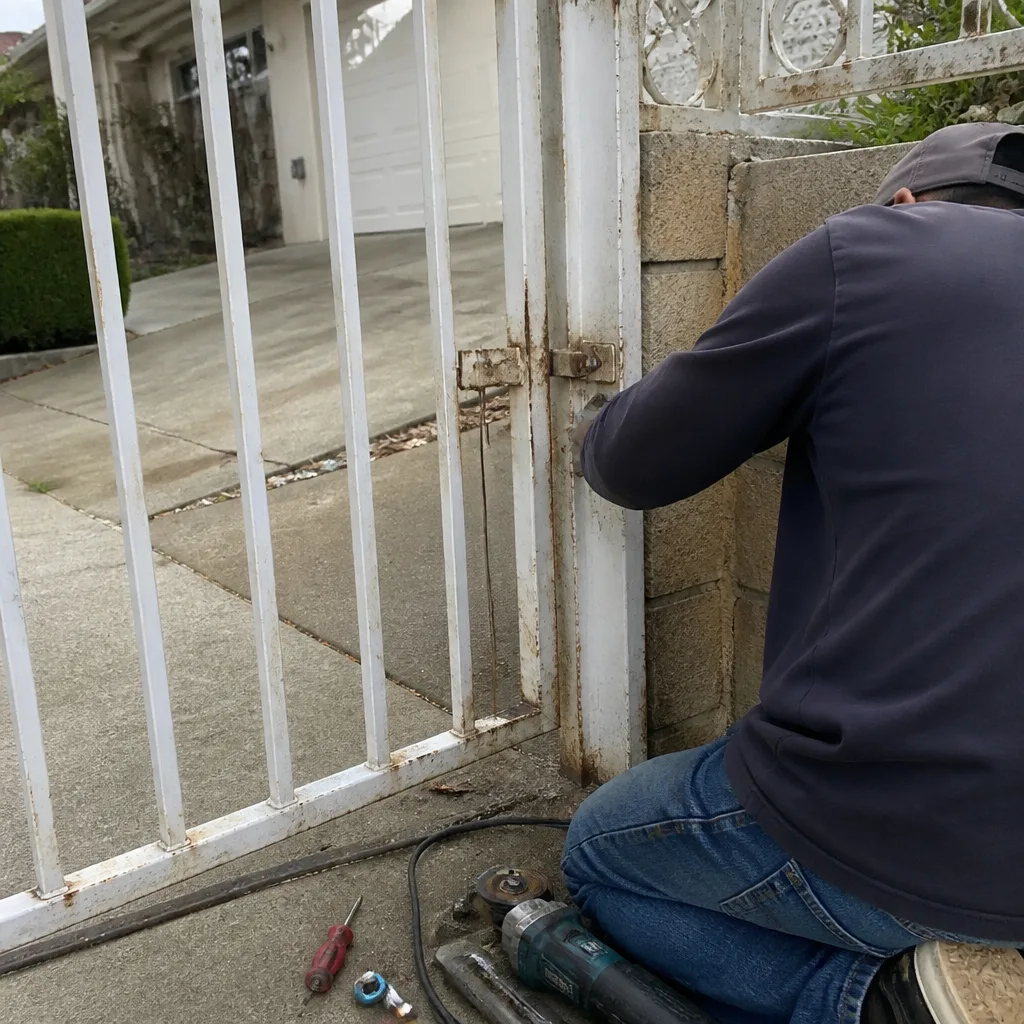 Before
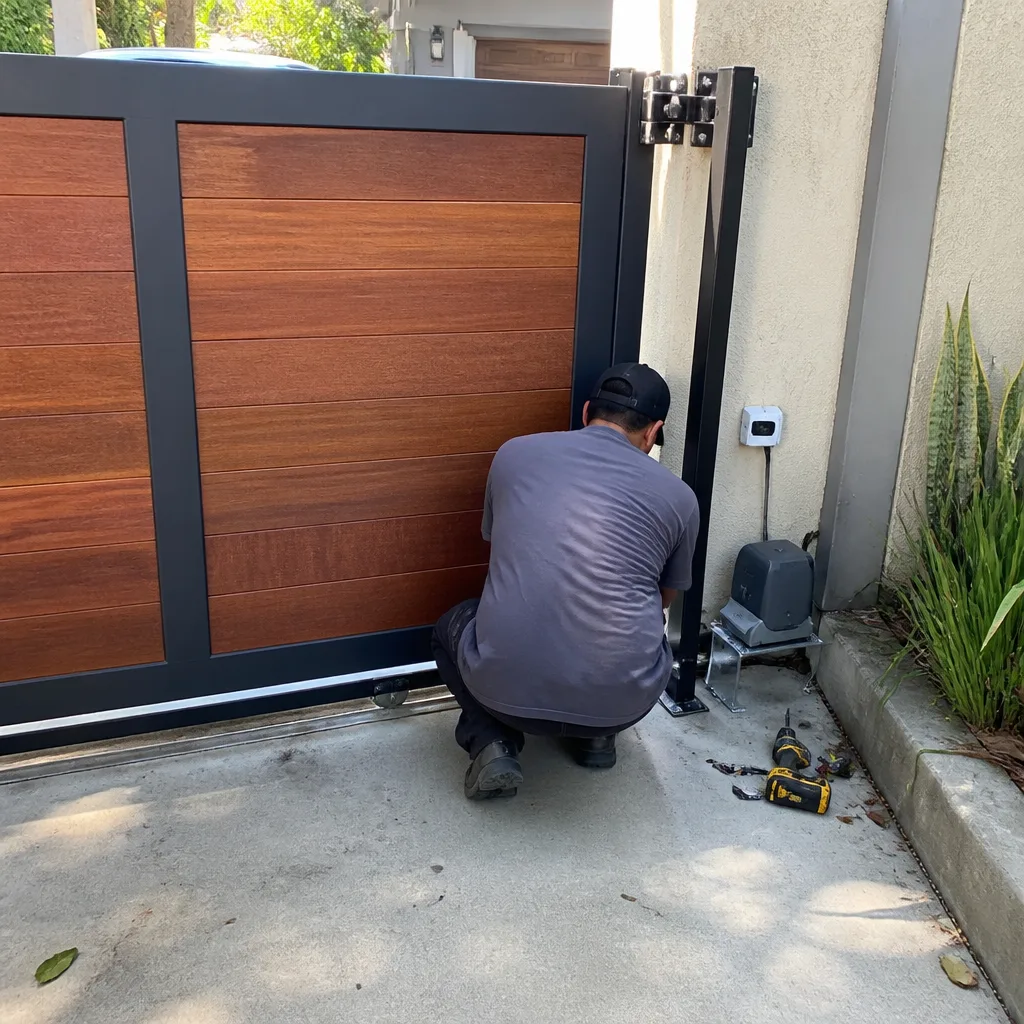 After