
Last updated November 3, 2026
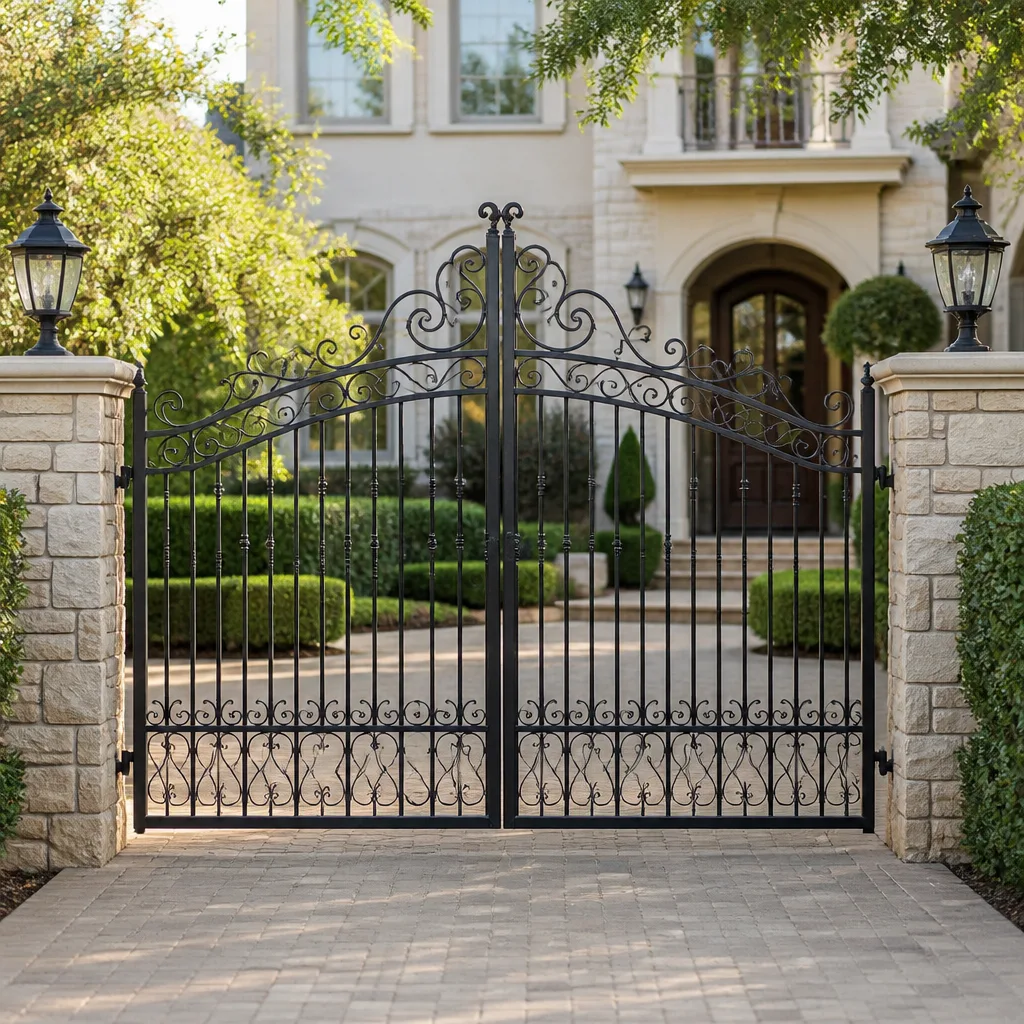 Wrought iron
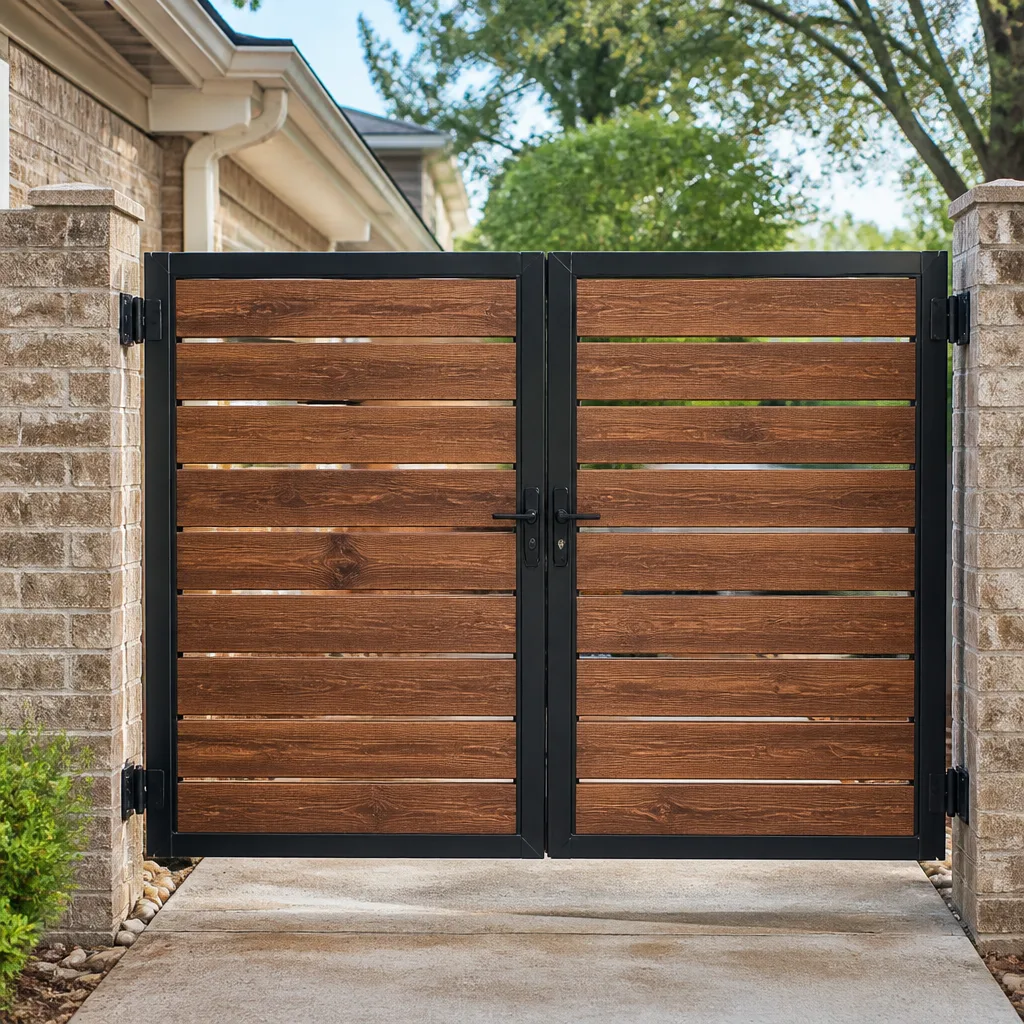 Wood & steel frame
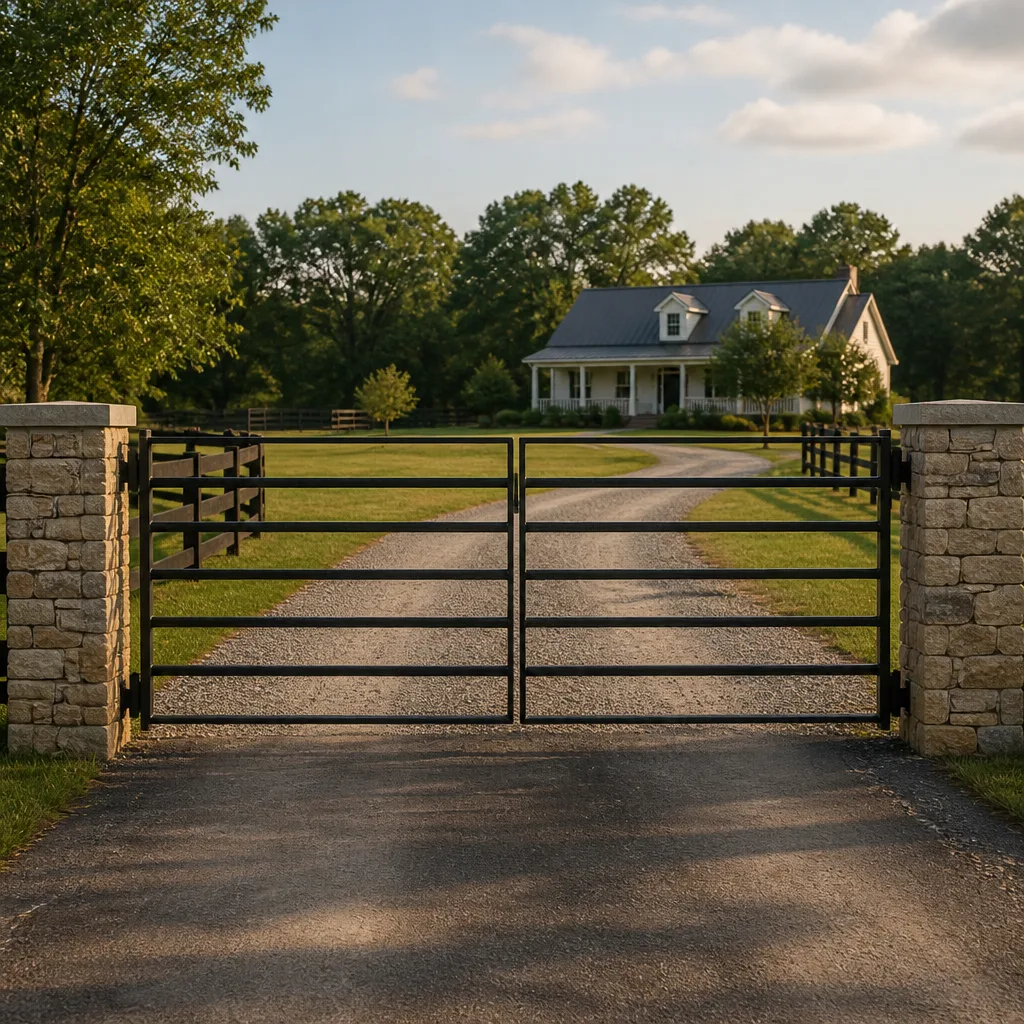 Farm & ranch
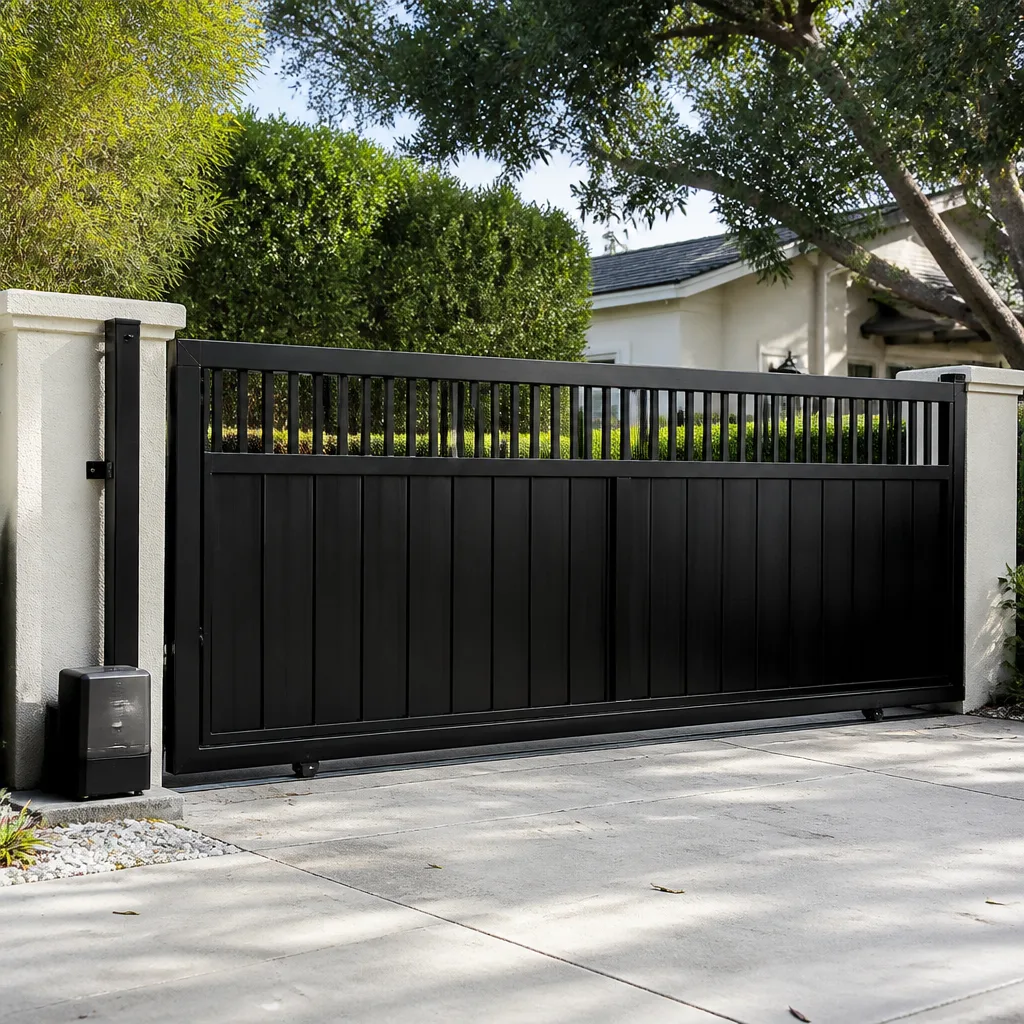 Sliding driveway gates
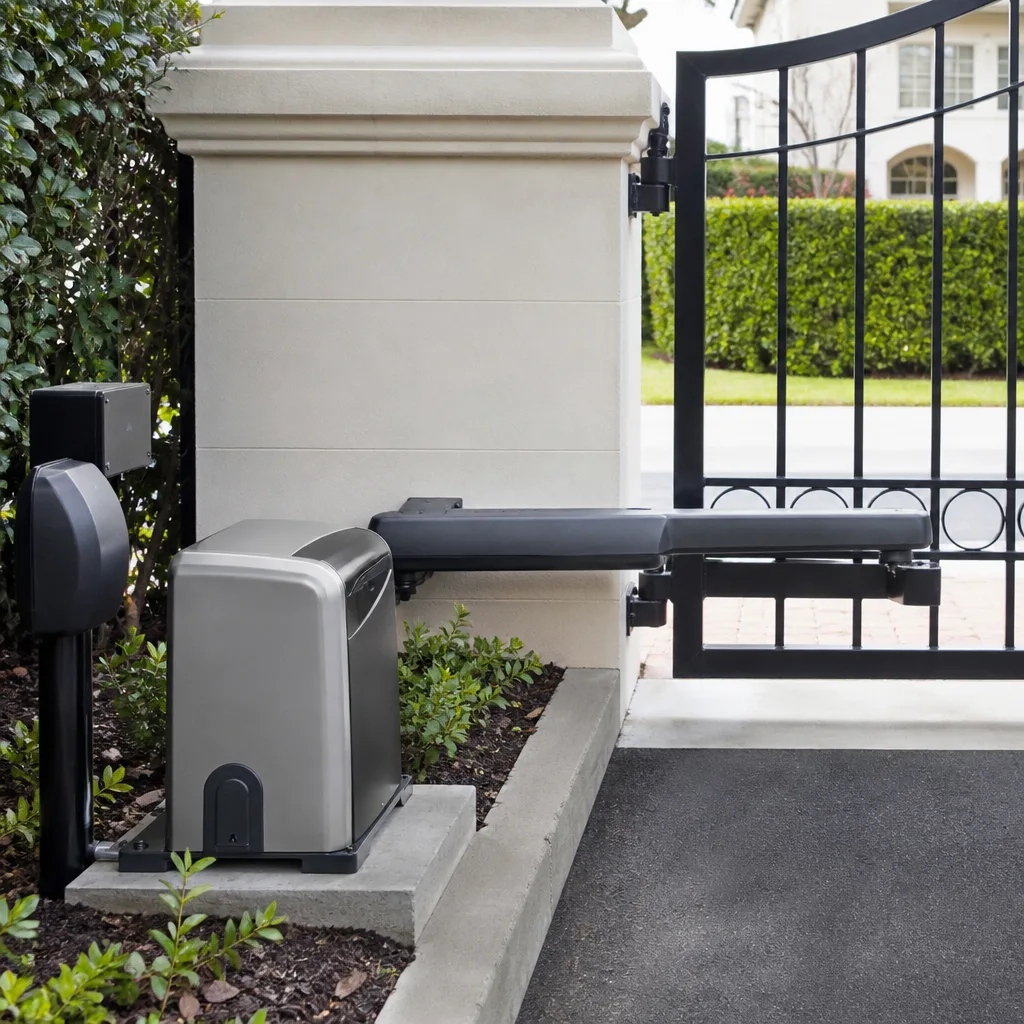 LiftMaster operators
Free on-site gate assessment - hinges, posts, and your LiftMaster or Nice gate operator checked before anything is quoted
The assessment is free and the quote is the invoice.
Get your free estimateChoosing the Right Gate Repair Brand: A Buyer’s Guide for Bay Terraces
Here’s a number most homeowners never see: roughly one in five automated gate systems in San Diego County gets replaced before its tenth birthday, not because the gate itself wore out, but because the operator’s control board died and the manufacturer had already moved on. We’ve pulled failed Viking boards, BFT capacitors, and LiftMaster logic boards out of gates installed in 2018 or later. The brand stamped on the arm or the box matters less than whether that brand still supports what you own. This guide is for Bay Terraces homeowners and property managers who want to make a brand decision that doesn’t strand them with a dead gate and a six-week parts wait. For deeper context, see The Complete Gate Repair Guide for Bay Terraces Homeowners.
Quick Answer
The best gate repair brand in Bay Terraces is the one with the strongest parts availability, local technician density, and backward compatibility record for the specific operator model you own or plan to buy. If you need immediate help, our Gate Repair services cover all major brands. In our experience across the greater San Diego market, LiftMaster, FAAC, and DoorKing consistently show the shortest parts lead times and the most consistent support for older models, while some nationally marketed brands with thin regional distribution leave homeowners waiting two to three weeks for a board that made sense to buy on price alone.
Styles & brands we work with
- Wrought iron
- Wood & steel frame
- Farm & ranch
- Sliding driveway gates
- LiftMaster operators
Table of Contents
- Brand Availability in Bay Terraces: Who Actually Stocks What
- Residential vs. Commercial Operator Lines: The Internals Difference
- How to Evaluate a Brand’s Parts Ecosystem Before You Buy
- When Brand Loyalty Makes Sense and When It Doesn’t
- What Multi-Brand Service Coverage Means for a Homeowner
- The 7-Point Serviceability Checklist for Any Gate Brand
- Bay Terraces-Specific Factors: Climate, Salt Air, and Local Code
- Replacement vs. Repair: The Brand Question That Changes Everything
Brand Availability in Bay Terraces: Who Actually Stocks What
A gate operator is only as good as the parts network behind it. When a control board fails on a Friday afternoon, the difference between a working gate by Monday and a security gap for three weeks comes down to whether any local distributor stocks that brand’s parts. We’ve mapped this reality across San Diego for years, and the pattern is consistent.
LiftMaster and DoorKing have the deepest parts bench in the San Diego market. Distributors stock boards, limit switches, gear kits, and remote receivers for current models and for most units sold in the last 12 years. FAAC and BFT, both Italian brands with strong commercial presence, maintain solid parts pipelines through dedicated regional distributors, though some older residential boards require a week-long lead time. Viking and Linear sit in a middle tier: common parts ship fast, but specialized boards for legacy models can stretch to two weeks. Ghost Controls and Mighty Mule, both consumer-focused brands sold largely through big-box retailers, have the thinnest local parts presence in our area. Their boards and arms are often treated as replaceable assemblies rather than repairable components, which changes the repair math significantly.
What this means for a Bay Terraces homeowner is straightforward: if you’re choosing between two operators and one has a local parts stocking record and the other doesn’t, the brand with local parts wins. Not because the other operator is poorly built, but because any operator will eventually fail, and the failure should cost you days, not weeks.
We work across nine brands in Bay Terraces, precisely so we can tell you which brands we can get parts for this week and which ones will test your patience. That’s the conversation that actually matters before you spend money.
Residential vs. Commercial Operator Lines: The Internals Difference
One of the least understood facts in the gate industry is that brand labels on residential operator lines often lie about what’s inside the housing. A premium brand’s “residential” swing arm frequently shares its motor, gear train, and control board with that same brand’s light-commercial line. A consumer-tier brand’s residential arm often contains components designed down to a price point that a commercial buyer would never accept.
Here’s the practical example we see in Bay Terraces regularly. LiftMaster’s residential LA400 and LA500 swing operators share internal architecture with the brand’s commercial CSL24 line. The motors are different sizes, but the board logic, limit switch design, and gear materials come from the same engineering family. FAAC’s 390 and 412 residential models share the brand’s hydraulic DNA with their commercial 415 and 770 lines. DoorKing builds its residential 9150 swing operator on the same platform DNA as the commercial 6050. These residential units don’t just feel more substantial; they’re built on engineering that was designed for daily commercial cycle counts.
Compare that to the consumer-tier arms sold at home improvement stores. Ghost Controls and Mighty Mule build competent entry-level operators, but their internals are engineered for a residential duty cycle and a manufacturer-defined service life. The gears are polymer where the commercial-shared lines use metal. The boards are single-layer where the commercial-shared lines use multi-layer with better surge protection. None of this means the consumer brands are bad; it means they’re built for a different expectation. A homeowner who cycles their gate eight times a day will get a decade out of a consumer-tier arm. A homeowner who cycles it 40 times a day because of a shared driveway or a busy household will be replacing that arm in six years.
If you live in Bay Terraces and your gate handles heavy daily traffic, this distinction matters more than the brand logo. Ask what the operator’s rated daily cycle count is, and ask whether the residential line shares components with the commercial line. The answers tell you more than any marketing sheet.
How to Evaluate a Brand’s Parts Ecosystem Before You Buy
Most buyers evaluate a gate operator the way they evaluate a dishwasher: they read reviews, compare features, and check the price. A gate operator isn’t a dishwasher. A dishwasher that fails gets replaced and hauled away. A gate operator that fails becomes a security problem, an access problem, and a repair invoice all at once. The right evaluation starts with the parts ecosystem, because that ecosystem determines what happens to you in year five, year eight, and year twelve.
Here’s the evaluation framework we use, and it’s one any Bay Terraces homeowner can apply before buying.
- Backward compatibility record. Does the brand’s current control board replace older boards without a mounting or wiring redesign? LiftMaster has a strong record here; several older LA400 boards accept direct replacements from newer revisions. Some consumer brands have orphaned boards within five years of release, forcing full operator replacement instead of a board swap.
- Board cross-compatibility. Does the brand share boards across models? Viking shares board architecture across its G-5 and T-21 lines, which means one stocked board can repair multiple operator families. Brands with model-specific boards create longer waits and higher repair costs.
- End-of-life policy. Does the brand formally notify owners when a model is discontinued, or does it quietly stop stocking parts? FAAC and DoorKing publish end-of-life bulletins for their dealer networks. Some consumer-tier brands end support without any owner-facing notice.
- Local distributor depth. How many authorized parts distributors serve San Diego County for this brand? We know the answer for all nine brands we service, and the differences are stark. LiftMaster parts ship same-day or next-day from multiple local distributors. Some specialty-brand parts ship from Texas or Ohio, adding a week to any repair.
- Firmware update path. Does the brand issue firmware updates for control boards, and can those updates be applied in the field? This matters more now than it did a decade ago. Brands that still support a five-year-old board with firmware patches treat their installed base as a long-term asset; brands that don’t treat it as a driver for replacement sales.
If you’re evaluating a brand right now, the single most useful question to ask is: “When this operator’s board fails in seven years, what are my parts options?” A brand with a good answer will give you specifics. A brand without one will give you a warranty number.
When Brand Loyalty Makes Sense and When It Doesn’t
Brand loyalty in gate systems isn’t like brand loyalty in cars. A car owner who loves their Toyota has every reason to buy another Toyota. A gate owner who loves their LiftMaster operator has a good reason to buy another LiftMaster, unless the operator they own is one of the models LiftMaster has moved on from, or unless their usage pattern has changed enough to justify a different operator class entirely.
Here’s when staying within a brand family makes sense. If the brand’s current operator line uses the same mounting pattern, the same wiring layout, and the same remote protocols as the unit you’re replacing, staying inside the family is the lowest-friction path. We see this regularly with DoorKing slide operators in Bay Terraces: swapping a 6250 for a current-model 6050 keeps the existing concrete pad, the existing gate brackets, and the existing keypad wiring, cutting installation labor meaningfully.
Here’s when staying within a brand family is a mistake. If your current operator was discontinued four years ago, its replacement in the same brand line may share nothing with the old unit except the logo. If your usage pattern changed, say you added an ADU, a second driveway user, or a home business that cycles the gate far more than before, the brand that served you in a quiet household may be the wrong brand for the new duty cycle. If your current operator has failed twice in five years for different reasons, that’s a signal the operator line, not just the unit, wasn’t built for your conditions. Bay Terraces gets real heat, real salt air in the western sections, and real wind, and all three accelerate operator aging.
We also see situations where brand-switching solves a chronic problem. A homeowner with a consumer-tier swing arm that strips its polymer gear every two years will keep stripping gears no matter how many times we replace the gear kit. The fix is a fundamentally different operator class, often a FAAC or LiftMaster unit designed for higher cycle counts. That’s not brand disloyalty; that’s matching equipment to reality. For a deeper look at when repair stops making sense, our Gate Installation in Bay Terraces guide covers the replacement decision in detail.
What Multi-Brand Service Coverage Means for a Homeowner
There’s a quiet bias problem in the gate industry that most homeowners never see. A single-brand dealer sells one manufacturer’s equipment. When your gate needs repair, that dealer is financially motivated to keep you inside the brand they sell. A replacement suggestion always looks like the brand they carry. A repair recommendation always favors the parts they already stock. It’s not dishonesty; it’s the natural gravity of a business built around one manufacturer’s catalog.
A multi-brand specialist doesn’t have that gravity. We service LiftMaster, FAAC, BFT, Linear, Viking, Ghost Controls, DoorKing, Elite, and Mighty Mule because that’s what exists in Bay Terraces driveways and alleys. We didn’t choose these brands as a marketing position; we service the equipment that’s actually installed here. That means our brand guidance is shaped by repair frequency, parts lead times, and failure patterns across all nine brands, not by a sales quota for one of them.
The practical value shows up in three places. First, diagnostics. A technician who works across FAAC, Viking, and DoorKing knows how each brand’s limit switches behave when they fail, how each board’s error codes present, and which models from each brand have known weak points. That’s brand-specific knowledge, not generic troubleshooting. Second, repair-or-replace advice. We can tell you whether your current operator is worth repairing based on how that specific model performs over time in San Diego conditions, because we’ve repaired and replaced hundreds of them. Third, replacement selection. When a replacement is the right call, we can compare your options across multiple brands without any incentive to push one over another.
That last point matters most. A homeowner who asks us “what should I replace my dead Viking with?” gets an answer shaped by their gate weight, their usage pattern, their budget, and the parts ecosystem behind each candidate. Not by which brand we’d prefer to sell.
The 7-Point Serviceability Checklist for Any Gate Brand
If you’re weighing gate operator brands for a purchase or a replacement in Bay Terraces, here’s the structured checklist we use with our own clients. Each point is a question you should be able to answer with specifics, not marketing language.
- Parts lead time today. For the specific model you’re buying, what’s the current lead time for a replacement control board from a San Diego-area distributor? If the answer isn’t “same week,” ask why. LiftMaster, DoorKing, and FAAC boards for current models are typically same-week items in our market. Some specialty brands are not.
- Legacy model support. Does the brand still stock boards and gear kits for operators sold 10 years ago? Ask for a specific example. If the answer is vague, the brand’s installed-base support is probably weak.
- Firmware update policy. Has the brand issued any field-applicable firmware updates for its current operator line? If yes, that signals ongoing engineering investment. If no, either the boards are stable or the brand ships fixes through hardware revisions that force replacement.
- Cycle rating. What’s the manufacturer’s rated daily cycle count for the specific model? Match that number against your actual usage. A household with a shared driveway, a home business, or multiple drivers often cycles a gate 30-50 times a day, which exceeds ratings on some consumer-tier units.
- Remote and keypad compatibility. Does the brand’s current operator line work with the brand’s older remote controls and keypads? Cross-generational compatibility saves you from replacing every remote when you replace an operator, and it matters more than most buyers realize.
- Local technician density. How many service providers in San Diego County actively repair this brand? The answer varies. We service all nine of the major brands, but many of our competitors are single-brand or dual-brand shops. A brand with one local service provider is a brand with a scheduling bottleneck.
- Board cross-compatibility. Does the brand use shared boards across multiple operator models? Shared boards mean faster repairs and more salvageable parts. Model-unique boards mean longer waits and higher replacement costs when failure strikes.
Run any brand through these seven questions and you’ll know more about its real-world serviceability than a hundred online reviews will tell you.
Bay Terraces-Specific Factors: Climate, Salt Air, and Local Code
Bay Terraces sits in a specific slice of the San Diego climate, and that slice shapes how gate equipment ages. The neighborhood catches marine influence from the south and east, which means mild temperatures but also salt-tinged air in the sections closer to the 54 and Paradise Valley. That salt air accelerates corrosion on exposed gate hardware, on operator housings, and on electrical connections, especially on swing gates where the operator mounts low to the ground and picks up road spray during winter rain.
We see the pattern repeat every year in Bay Terraces. Operators with powder-coated steel housings hold up better here than units with thin enamel finishes. Limit switches, safety edge connections, and keypad terminals corrode faster on coastal-exposed lots than on inland lots, even within the same neighborhood. When a board fails on a Bay Terraces gate, the failure is often traceable to moisture intrusion at a connector rather than an intrinsic board defect. That’s why we pay so much attention to connector sealing and housing gaskets during repairs and installations.
Local code matters too. The city of San Diego enforces gate safety standards that align with ASTM F2200, which governs automatic gate construction and safety features. Gates must have monitored safety edges or photo eyes, proper reversing mechanisms, and specific clearance requirements. Some older operators installed before current standards exist in Bay Terraces backyards and side yards, and a repair that keeps an older operator alive without addressing a missing safety edge creates a liability that no homeowner should carry. When we repair an older gate, part of the service conversation is whether the current safety setup meets current standards. For any automated gate work, Electric Gate Repair in Bay Terraces includes a safety assessment as part of every diagnostic.
The practical takeaway for brand selection: choose a brand whose current operator line includes modern safety integration as standard, not as an add-on. Some budget operators still require separate safety modules that many homeowners skip or don’t know they need. The brands with strong commercial lineages, LiftMaster, FAAC, and DoorKing among them, build safety integration into the board and wiring architecture, which means the gate is safer by default, not by optional accessory.
Replacement vs. Repair: The Brand Question That Changes Everything
Most gate repair calls in Bay Terraces start as repair requests. The gate won’t open, the remote stopped working, the operator hums but the gate doesn’t move. The repair-first instinct is reasonable; nobody wants to replace an operator that could run for five more years. But the brand question changes the repair-replace calculus, and not always in the direction homeowners expect.
Here’s the decision framework we use. If the operator is less than seven years old, the brand still supports it with parts, and the failure is a board, capacitor, gear kit, or limit switch, repair usually makes sense. A $400 board replacement on a six-year-old LiftMaster LA400 is a better spend than a $2,500 operator replacement, provided the rest of the unit is sound. If the operator is more than 12 years old, repair becomes harder to justify regardless of brand, because the next failure is statistically close. If the brand has discontinued the operator line and parts lead times exceed two weeks, the math flips: a three-week wait on a dead security gate is not a parts delay, it’s a security exposure.
Bay Terraces has specific characteristics that push this decision in one direction or another. Properties with long, steep driveways often use slide gates with heavy steel panels, and those gates put continuous load on their operators. An operator that’s undersized for the gate it’s driving fails sooner, and repeated failures aren’t about brand quality, they’re about a mismatch between equipment and load. In those cases, replacement with a properly sized operator, often from a different brand or a different line within the same brand, solves the problem permanently. Repairing the same mismatch just schedules the next failure.
There’s also a middle path. On a gate where the operator has failed but the gate structure, track, hinges, and safety edges are sound, a new operator from a brand with better parts support can be a smart spend. The new operator gets a warranty, the existing gate stays in place, and the total cost runs well below a full gate and operator replacement. That’s one of the decisions we talk through with Bay Terraces homeowners regularly, and it’s the kind of brand-level advice that only makes sense when the company giving it isn’t tied to one manufacturer’s catalog. Our Gate Repair Bay Terraces home page details how we approach those conversations.
See the difference
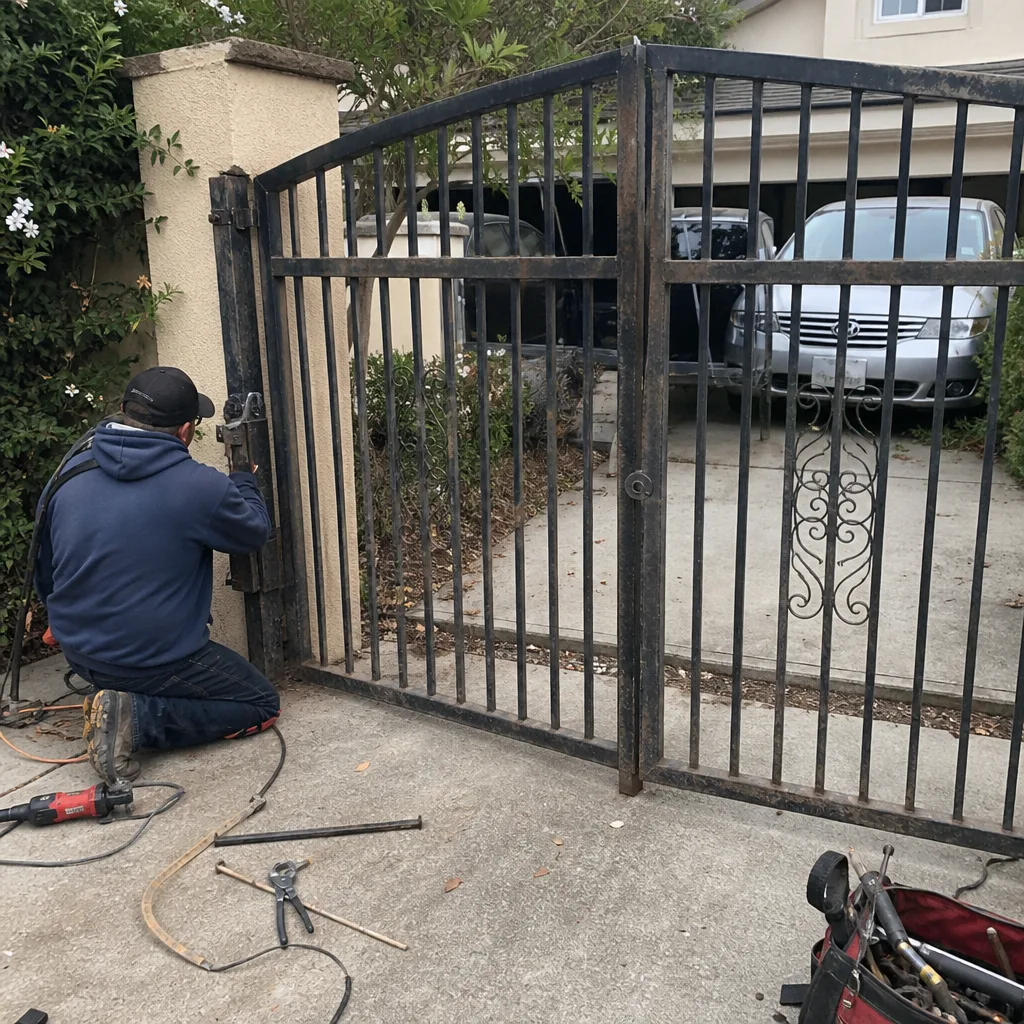 Before
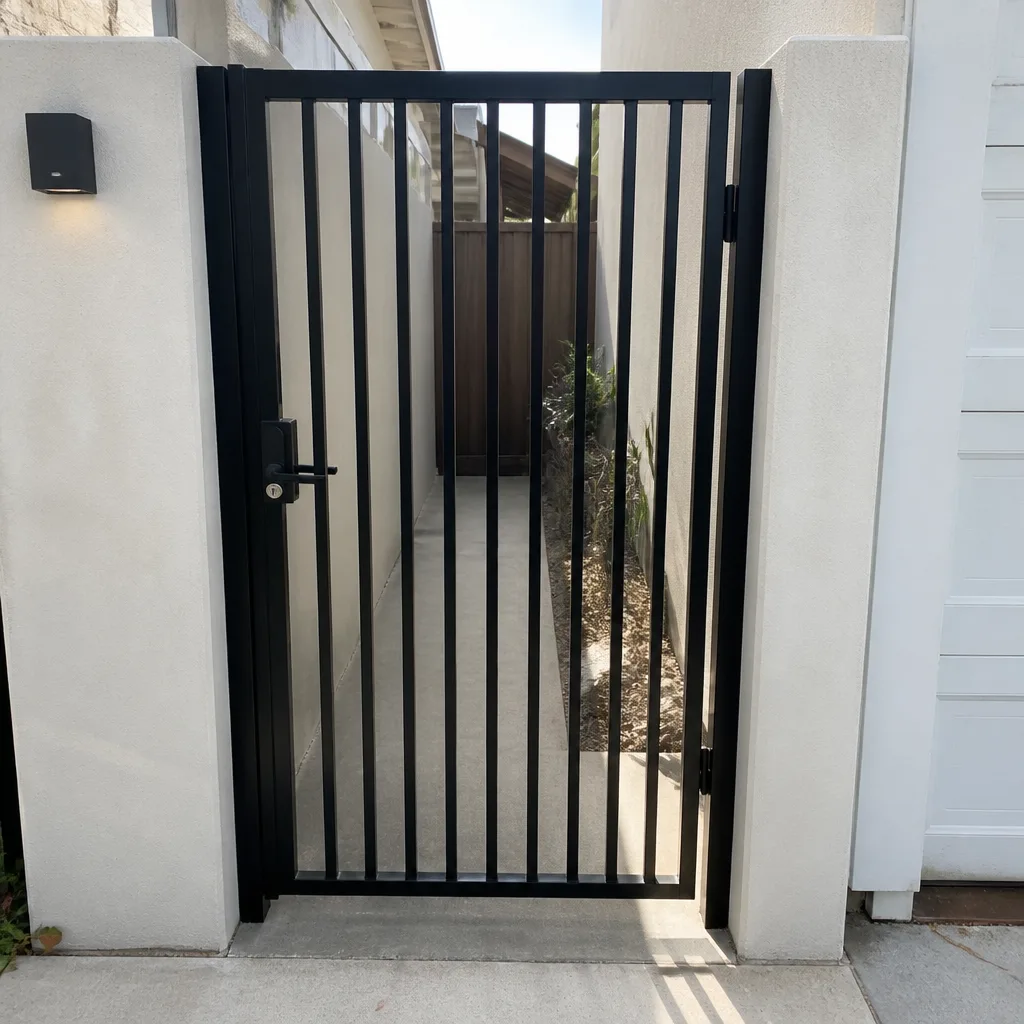 After
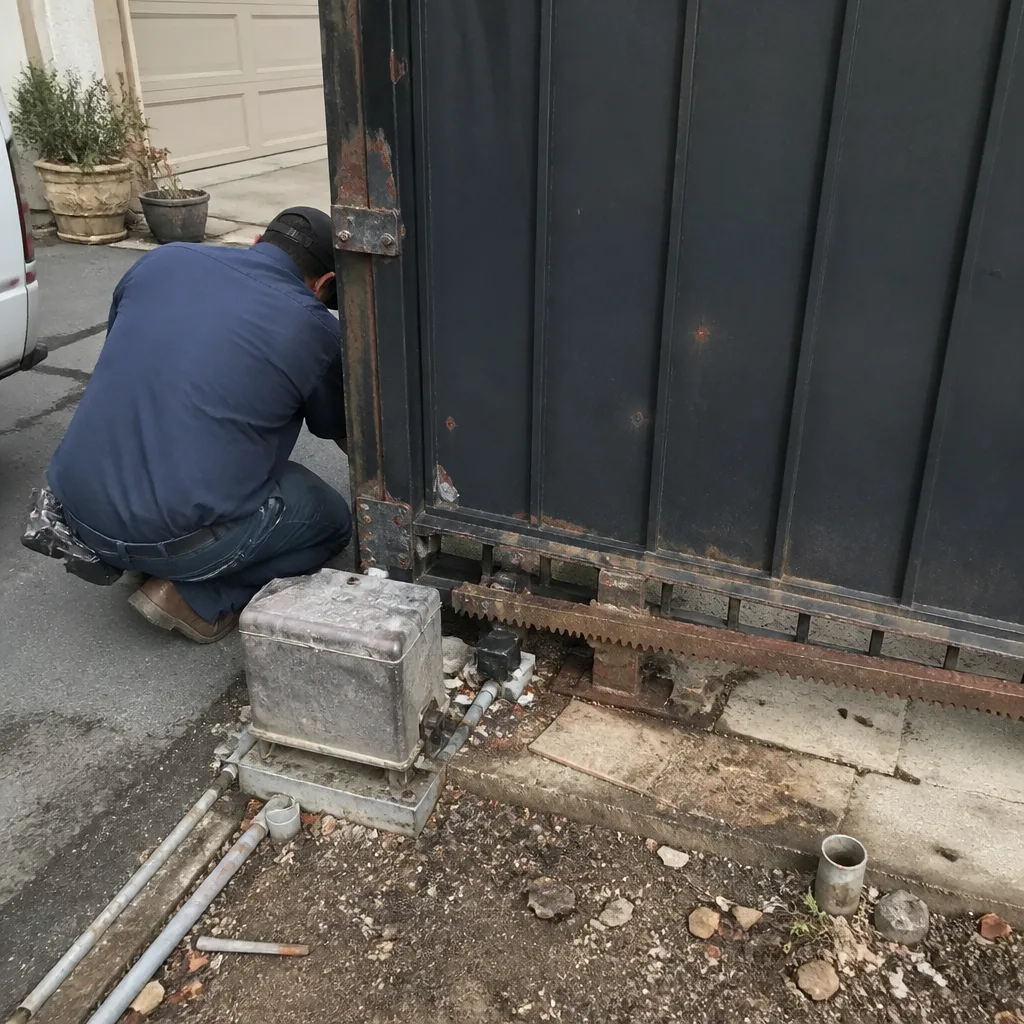 Before
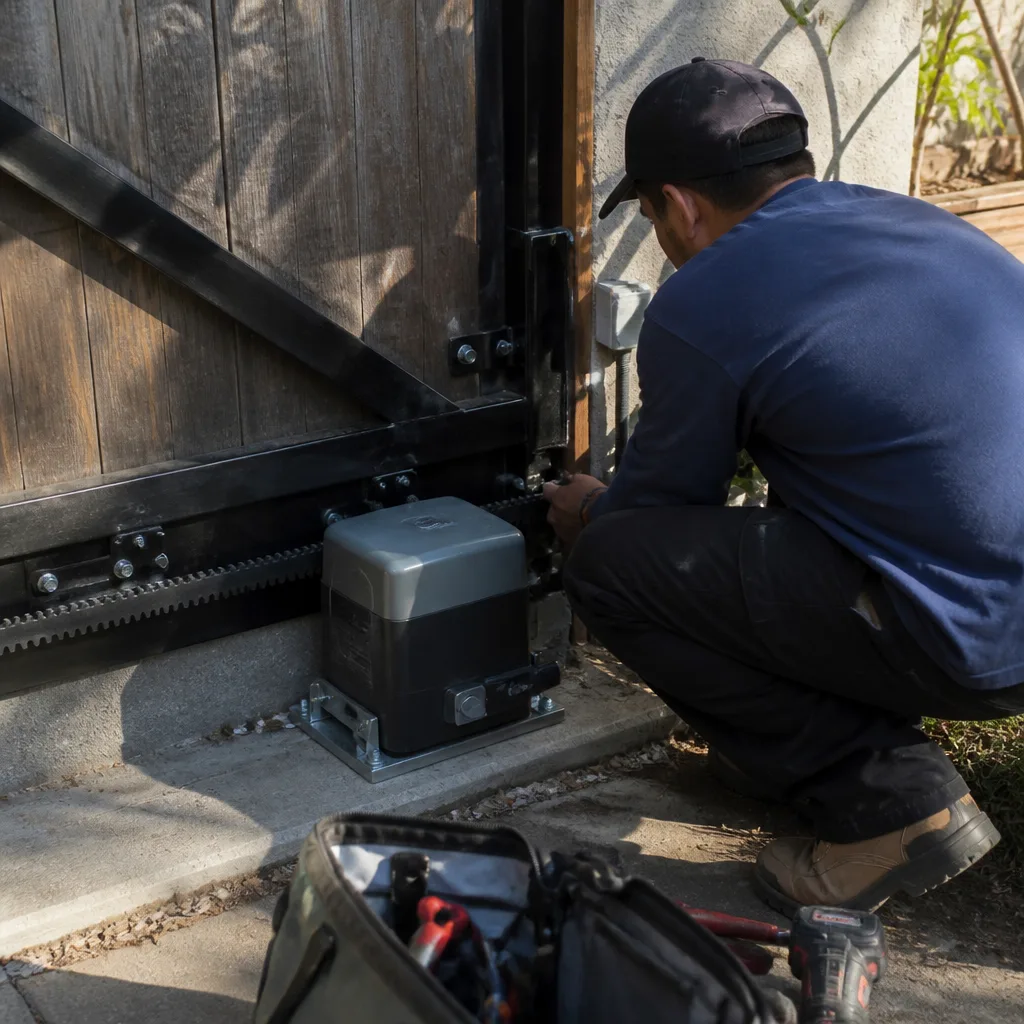 After
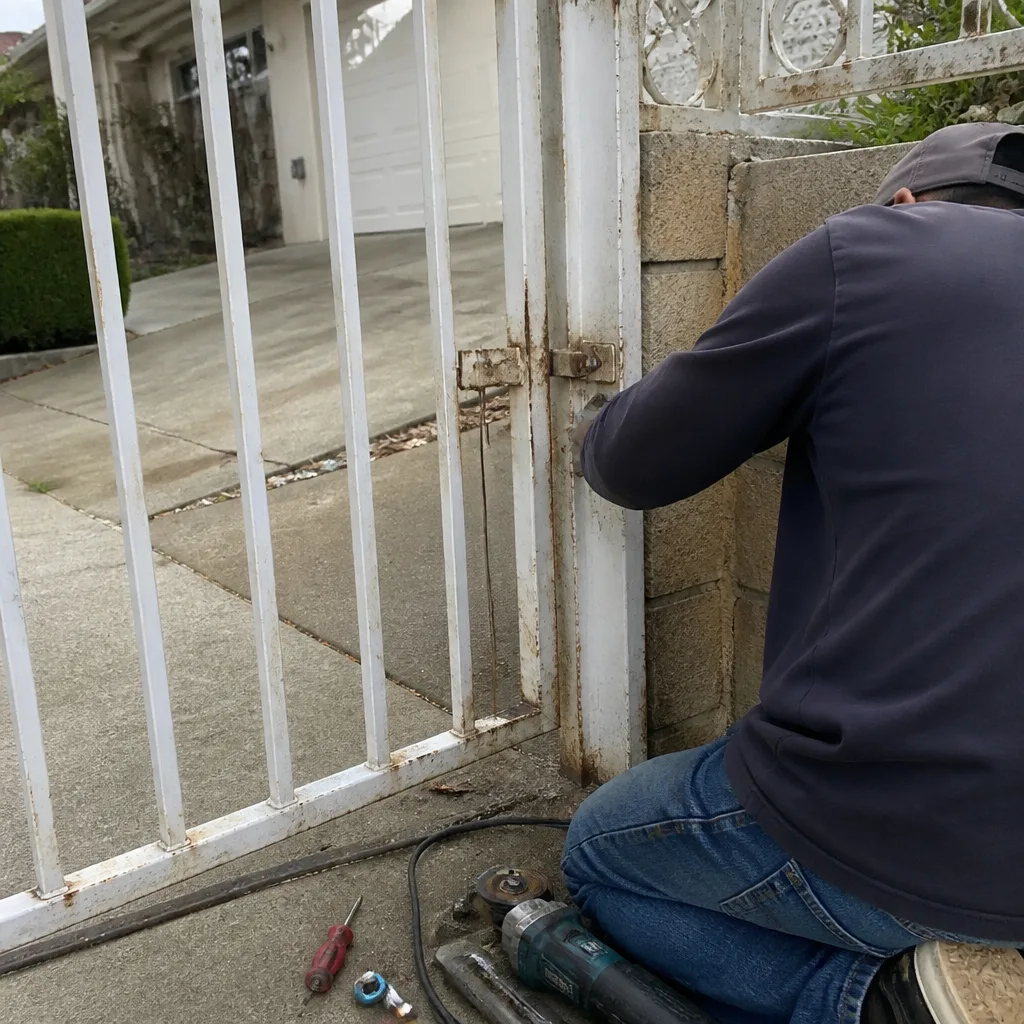 Before
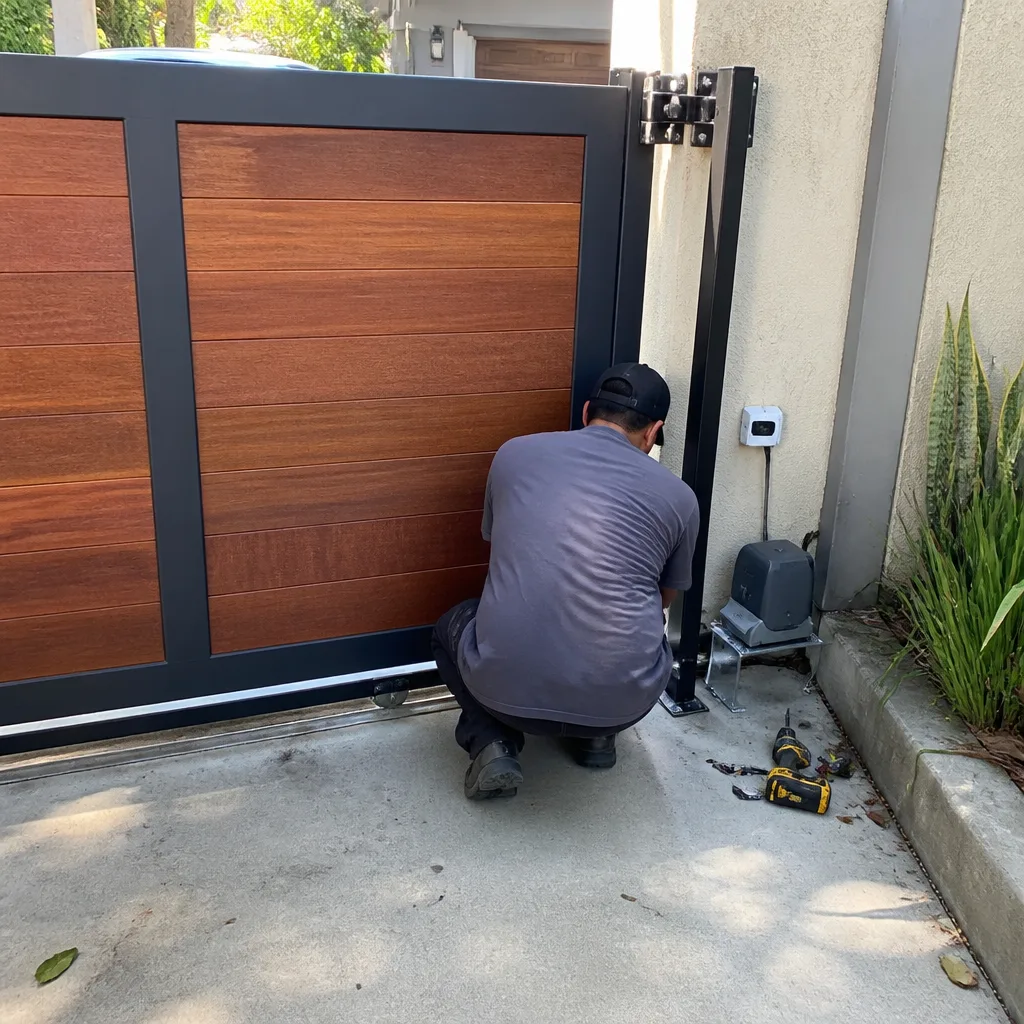 After
Common Mistakes to Avoid
- Buying on price before checking parts lead times. A consumer-tier operator that saves $600 on purchase day can cost $1,800 in replacement and labor when its board fails and the part takes three weeks to arrive. In Bay Terraces, where a dead gate can mean an open driveway overnight, that parts wait is a real security cost.
- Assuming all brands service their old models. Some manufacturers quietly stop stocking boards and gear kits for operators sold fewer than eight years ago. Before buying any brand, ask a working technician what the brand’s legacy parts support actually looks like.
- Buying a residential operator for commercial-duty use. A household with a shared driveway, a home business, or frequent visitor traffic can cycle a gate 40 times a day, which is commercial territory. A residential-rated operator on that gate will eat gear kits and boards years early.
- Replacing an operator without checking gate weight and load. An operator matched to the wrong gate weight fails early, no matter which brand it is. Get the gate measured and the operator matched to the actual load, not to a guess.
- Treating brand loyalty as a technical requirement. Staying inside a brand makes sense when the new model shares parts, wiring, and mounting with the old one. When it doesn’t, you’re paying a loyalty tax for a logo.
- Ignoring salt air corrosion. Bay Terraces lots closer to the 54 get salt-tinged air that attacks operator housings and connectors. Choosing a brand with powder-coated housings and sealed connectors isn’t cosmetic; it’s the difference between a 10-year operator and a 7-year operator.
- Buying a gate brand based on national advertising. Some brands with strong retail presence have thin local service networks in San Diego. A brand with strong marketing and a thin parts bench leaves you waiting when the operator fails. Buy based on local serviceability, not ad spend.
When to Call a Professional
Some gate problems are safe to diagnose yourself: a dead remote battery, a tripped breaker, a photo eye that’s been knocked out of alignment. Most aren’t. Gate operators run on line voltage, carry significant mechanical force, and fail in ways that can damage the gate, the operator, or the person standing next to it. If your gate makes a grinding noise, moves unevenly, starts and stops randomly, or trips its breaker repeatedly, stop running it and call a professional. A failed limit switch can drive a gate into its end stop hard enough to bend the frame. A failed safety edge means the gate can’t detect an obstruction, which is a serious injury risk, especially for children and pets. Gate Repair Bay Terraces offers free estimates in Bay Terraces for any gate concern, call (877) 573-0794 and we’ll tell you honestly what you’re looking at.
Frequently Asked Questions
The best gate repair brand in Bay Terraces is one with local parts availability, strong legacy model support, and a technician network that actually services that brand in the San Diego market. In our experience, LiftMaster, FAAC, and DoorKing consistently deliver the shortest parts lead times and the strongest support for older models in this area. Call (877) 573-0794 to get a brand-specific recommendation for your gate.
Gate operator replacement in Bay Terraces typically runs between $1,200 and $3,500 depending on the operator brand, gate size, and whether the existing mounting pad and wiring can be reused, and we quote every price in writing before any work starts. The cost range reflects the difference between a consumer-tier swing arm and a commercial-shared operator from LiftMaster, FAAC, or DoorKing. For an exact number on your gate, call us for a free estimate.
LiftMaster, DoorKing, and FAAC have the deepest parts availability in San Diego County, with distributors stocking boards, gear kits, and remotes for current models and many units sold in the last decade. Ghost Controls, Mighty Mule, and some Viking legacy boards can take one to three weeks depending on the specific part. If parts speed matters to you, ask about lead times for the exact model you own before committing to a repair.
Yes. We service LiftMaster, FAAC, BFT, Linear, Viking, Ghost Controls, DoorKing, Elite, and Mighty Mule, which covers the large majority of automated and manual gate systems installed in Bay Terraces and throughout the San Diego area. If you own a gate from one of these brands, we know its failure patterns, parts requirements, and repair options. If you own something outside these brands, call us and we’ll tell you honestly what we can do.
Repair makes sense when the operator is under seven years old, the brand still supports it with parts, and the failure is a replaceable component like a board, capacitor, gear kit, or limit switch. Replacement makes sense when the operator is more than 12 years old, the brand has discontinued the line, or the unit has failed twice in five years. Call (877) 573-0794 and we’ll assess your specific gate and give you a straight answer.
We handle both gate repair and full gate installation, including new operator installation, gate panel replacement, and complete automated gate systems from the ground up. Because we work across nine major brands, our installation recommendations are made without brand bias. See our Gate Installation in Bay Terraces page for what a full install includes.
The Bottom Line
A gate brand decision is a parts availability decision, a technician familiarity decision, and a long-term serviceability decision all wrapped into one. Bay Terraces homeowners who buy based on local parts support, legacy model policies, and honest cycle ratings end up with gates that last. Homeowners who buy based on retail price or national advertising end up with operators that fail early and wait long for parts. The brands that win in this market are the ones with deep local parts benches and engineering continuity between residential and commercial lines. Multi-brand service coverage matters because it means the person advising you isn’t financially tied to one manufacturer. Choose on serviceability, not the logo, and your gate will still be working when the cheaper option has already been replaced. For more guides & resources, visit our blog.
Written by the team at Gate Repair Bay Terraces, serving Bay Terraces since 2018.