
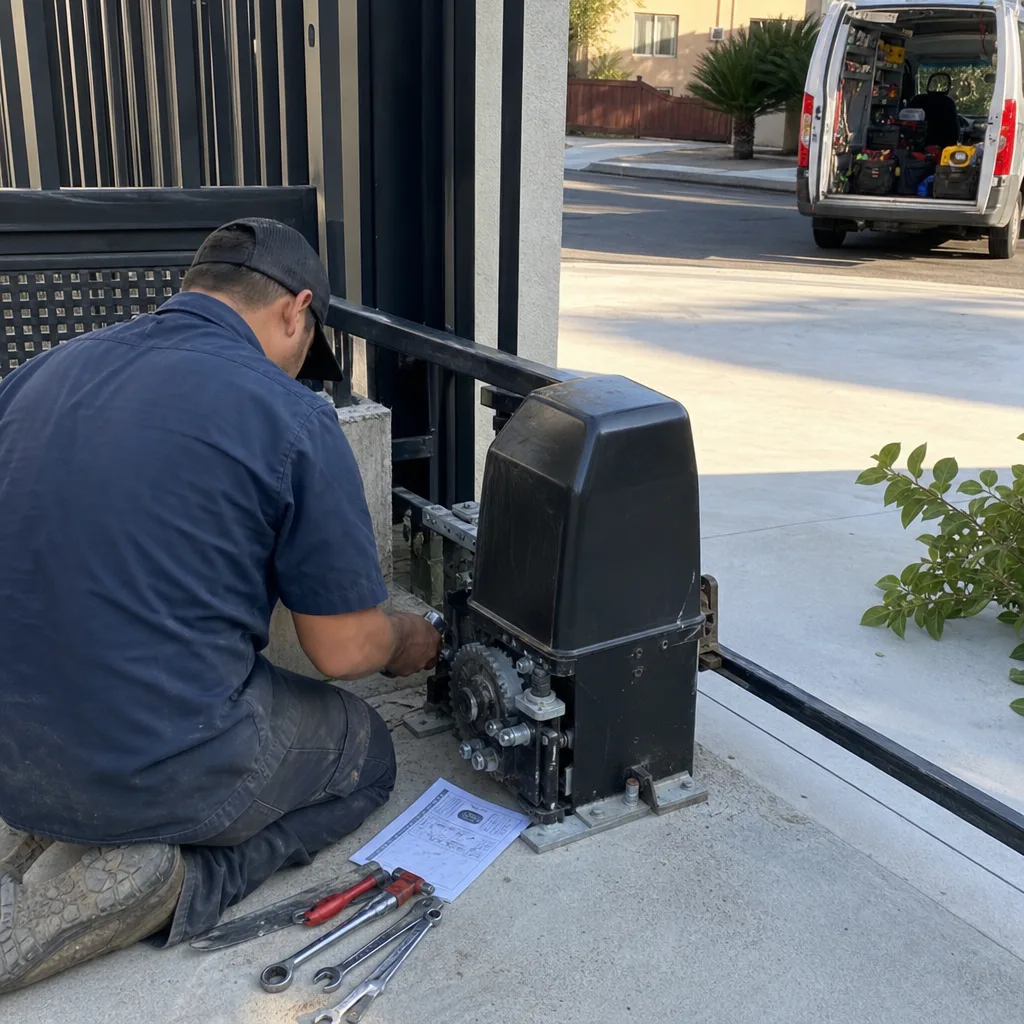
Last updated November 3, 2026
 Wrought iron
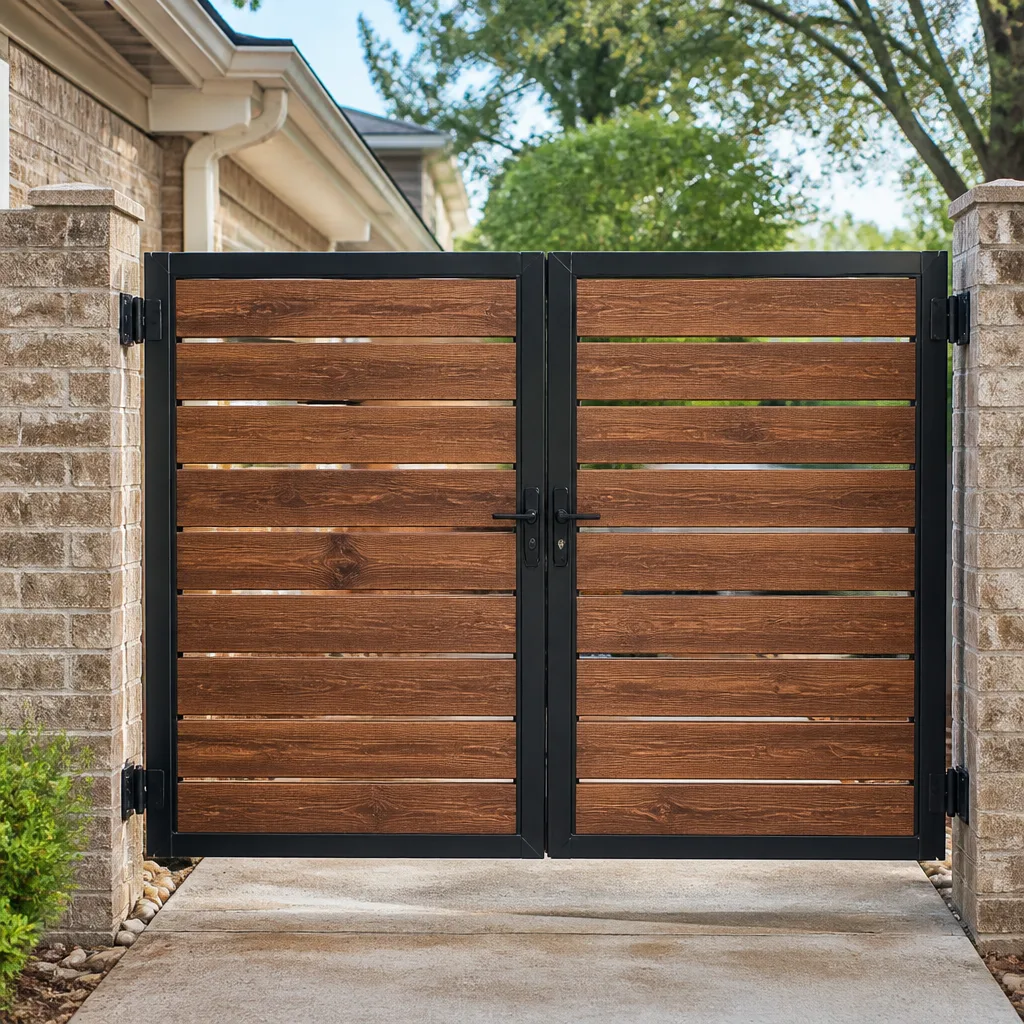 Wood & steel frame
 Farm & ranch
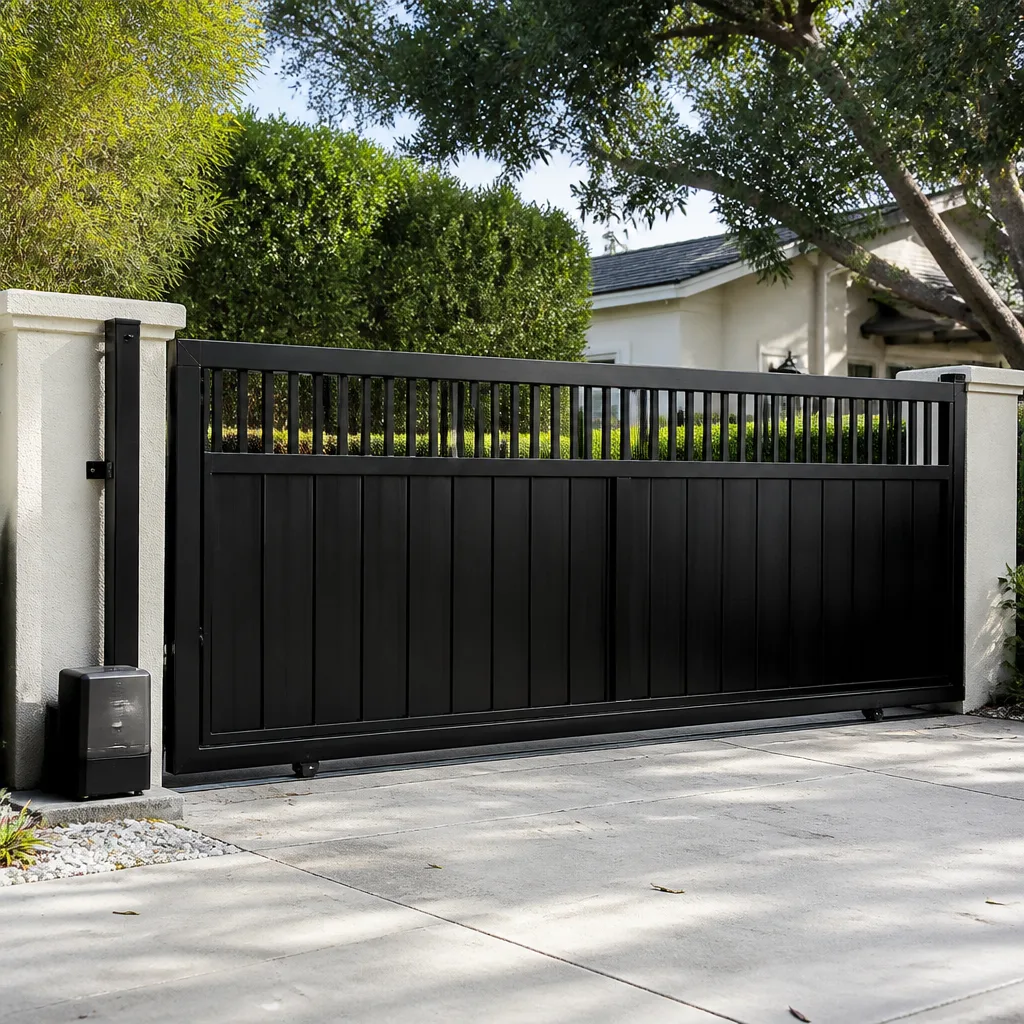 Sliding driveway gates
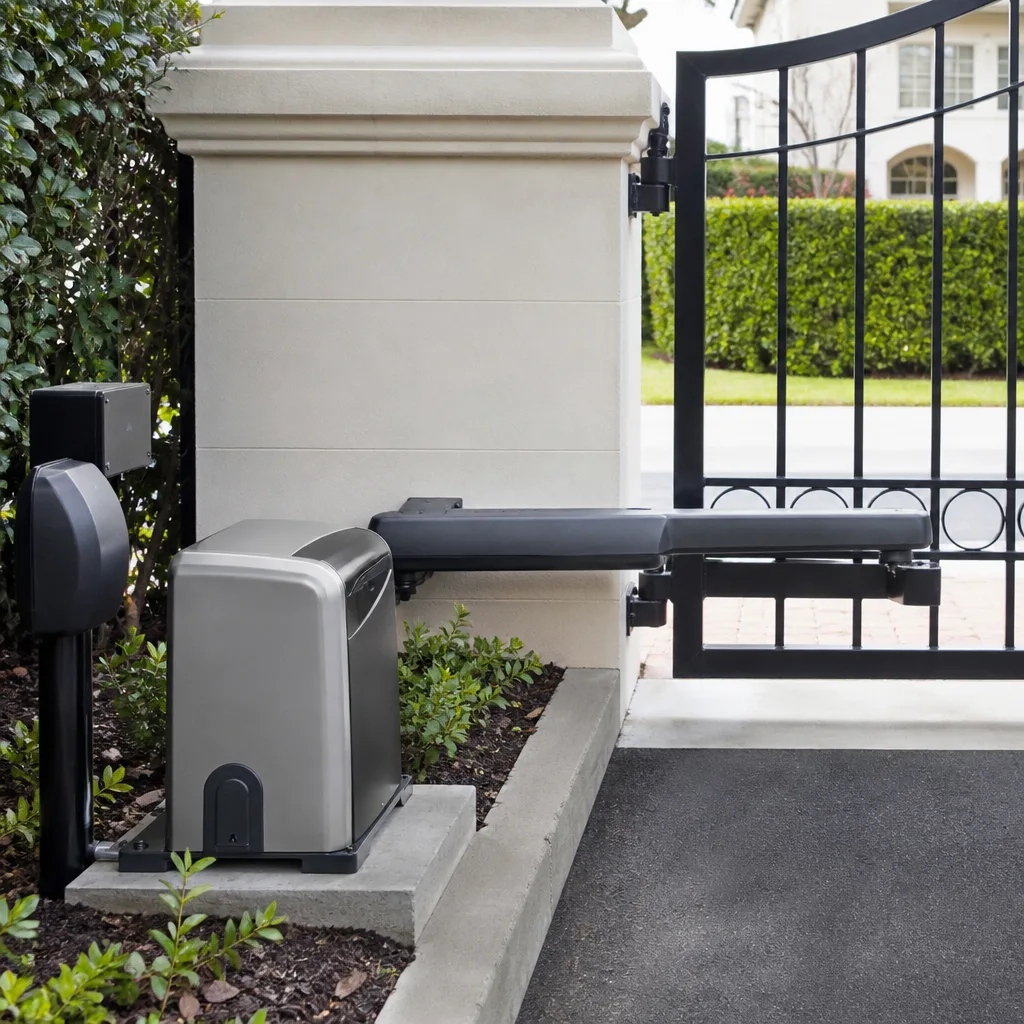 LiftMaster operators
Free on-site gate assessment - hinges, posts, and your LiftMaster or Nice gate operator checked before anything is quoted
The assessment is free and the quote is the invoice.
Get your free estimateThe Complete Gate Repair Guide for Bay Terraces Homeowners
The most expensive gate repair call is the one where the technician fixes the symptom and leaves the root cause untouched. That’s how a $200 sensor adjustment becomes a $1,400 control board replacement six weeks later, and how a gate that “works fine now” fails again before the invoice clears. In Bay Terraces, where salt air and sandy soil work against gate hardware year-round, the gap between a surface fix and a real repair shows up faster than almost anywhere in San Diego County. This guide – along with our The Complete Guide to Gate Repair in Bay Terraces – walks you through the five failure categories behind nearly every gate breakdown we see, so you can diagnose what’s actually wrong before you spend a dollar on parts or labor.
Quick Answer
Gate repair in Bay Terraces typically starts with identifying which of five root causes is at play: mechanical wear, electrical faults, control board failures, obstruction or sensing errors, or structural misalignment. Most manual gate problems fall into the mechanical or structural categories, while automated systems add electrical and board-level failures on top. Knowing your failure category determines whether the fix is a same-day adjustment or a replacement that should be quoted before any work begins.
Styles & brands we work with
- Wrought iron
- Wood & steel frame
- Farm & ranch
- Sliding driveway gates
- LiftMaster operators
Table of Contents
- The Five Failure Categories Behind Most Bay Terraces Gate Problems
- How Bay Terraces’ Coastal Proximity Accelerates Specific Gate Failures
- Symptom-to-Category Diagnosis: A Step-by-Step Approach
- What’s Safe DIY Territory vs. What Voids Warranties or Creates Liability
- Brand-Specific Quirks: Why Repair Steps Differ by Operator
- A Bay Terraces Seasonal Maintenance Checklist
- When Repair Makes Sense vs. When Replacement Is Smarter
- Common Mistakes to Avoid
The Five Failure Categories Behind Most Bay Terraces Gate Problems
Every gate failure we’ve diagnosed in Bay Terraces falls into one of five categories. The repair approach differs completely depending on which one you’re dealing with, so this is the framework to learn first.
1. Mechanical wear. Hinges, rollers, chains, and wheels are the parts that move every single time the gate opens. In Bay Terraces, the sandy soil that drains so well after winter rains also kicks fine grit into roller tracks and hinge barrels. That grit acts like sandpaper, accelerating wear on parts that would last years longer inland. A gate that creaks, drags, or needs a shoulder to close is almost always in this category.
2. Electrical faults. Automated gates depend on a circuit that includes the operator motor, wiring runs, and sometimes a keypad or intercom. When a breaker trips repeatedly, the motor hums without moving the gate, or the system works intermittently, the problem is electrical. Salt air corrosion on wire connections is a frequent culprit in Bay Terraces, even on systems less than five years old.
3. Control board issues. The circuit board inside an electric gate operator is the brain of the system. Lightning strikes, power surges, and even ant colonies nesting inside the housing can fry or short a board. When the operator’s indicator lights show power but the gate won’t respond to any input, the board is the prime suspect. These failures are especially common on LiftMaster and FAAC units that have been through multiple coastal storm seasons.
4. Obstruction and sensing errors. Safety edges, photocells, and loop detectors tell the gate when to stop and reverse. When these sensors misalign or get dirty, the gate behaves irrationally: it reverses for no reason, won’t close all the way, or stops halfway and sits there. In Bay Terraces, blowing sand and direct sun on exposed sensors cause more false obstruction readings than actual physical blockages.
5. Structural misalignment. Gates are heavy, and the posts that hold them sit in soil that shifts with seasonal moisture changes. Bay Terraces’ sandy loam expands and contracts less than clay, but it also settles differently, especially on sloped lots throughout the area. A gate that hangs crooked, scrapes the ground on one side, or won’t latch because the post has drifted is structurally misaligned, not mechanically broken.
How Bay Terraces’ Coastal Proximity Accelerates Specific Gate Failures
You’re less than eight miles from the Pacific, and that proximity shows up in your gate hardware in ways that homeowners further east in El Cajon or La Mesa never deal with. The marine layer that rolls through Bay Terraces on summer mornings deposits a fine saline film on exposed metal. That film accelerates rust on hinges, latch hardware, and any unpainted steel component.
We see three patterns consistently in this area. First, hinge corrosion on swing gates happens two to three times faster than in inland San Diego neighborhoods. A hinge that would last ten years in Santee might start binding in five here, simply from salt-driven oxidation. Second, sensor drift from thermal cycling is more pronounced. Photocells mounted on dark metal posts expand and contract daily as the morning marine layer burns off into afternoon sun. Over time, the brackets shift fractions of an inch, and a beam that was aligned at installation now misses its reflector. Third, post shifting is a recurring issue on lots with decomposed granite or sandy fill. A post set in concrete can still move if the surrounding soil washes out from underneath during heavy winter rains.
None of this means Bay Terraces gates are doomed to fail early. It means the maintenance calendar here needs to be local, not generic. Checking hinge play, sensor alignment, and post plumb twice a year catches these coastal issues before they become service calls.
Symptom-to-Category Diagnosis: A Step-by-Step Approach
Before you call anyone, spend five minutes categorizing the symptom. This determines whether you’re describing a simple adjustment or a board-level replacement when you get on the phone, and it saves you from paying for a diagnostic visit that tells you what you already know.
Step 1: Note exactly when the gate fails. Does it fail every time, or only at certain times of day? A gate that works in the afternoon but fails at night often has a sensor issue, not a motor problem. Photocells read darkness differently, and older units struggle when ambient light drops.
Step 2: Isolate the failure point. For automated gates, use the manual release and try moving the gate by hand. If it moves freely, the mechanical and structural systems are fine, and the problem is in the operator or controls. If it binds or drags, you’ve got a mechanical or alignment issue regardless of what the operator is doing.
Step 3: Check the simplest inputs first. A dead remote battery, a tripped GFCI outlet, a keypad with corroded contacts. These are the “free” fixes. In Bay Terraces, salt air corrosion on keypad contacts is common enough that we start every diagnostic call by checking them before assuming anything more serious.
Step 4: Listen and watch. A clicking sound with no movement usually points to a capacitor or motor issue. A humming motor with no gate movement suggests a sheared gear or a chain that’s slipped. A gate that opens fine but reverses before closing usually points to a safety edge or photocell sending false obstruction signals.
Step 5: Match the symptom to the category. Creaking, sagging, scraping = mechanical or structural. Intermittent operation, breaker trips, no response = electrical or control board. Reversing, stopping mid-cycle, beeping = obstruction and sensing. Once you’ve categorized it, you can decide whether this is a DIY job or a professional repair; our DIY vs Professional Gate Repair: The Bay Terraces Homeowner’s Decision Guide covers this in depth.
What’s Safe DIY Territory vs. What Voids Warranties or Creates Liability
Some gate maintenance is genuinely homeowner-friendly. Other repairs are dangerous, and a few will void a manufacturer warranty the moment you open the operator housing. Here’s the honest split.
Safe DIY territory:
- Cleaning photocell lenses and realigning sensors until the indicator light shows a solid signal
- Lubricating hinges and roller tracks with a silicone-based lubricant (not WD-40, which attracts grit)
- Tightening visible bolts on hinge plates and latch hardware
- Replacing remote control batteries and reprogramming remotes per the manual
- Clearing debris from slide gate tracks and checking for small rocks or compacted sand
Do not attempt:
- Any repair involving the motor capacitor or wiring inside an operator housing. Capacitors hold a charge even when unplugged and can deliver a serious shock.
- Adjusting torsion springs on heavier custom gates. Stored spring energy can release without warning and cause severe injury.
- Opening the sealed control board compartment on a LiftMaster, FAAC, BFT, or Linear operator while under warranty. Breaking the factory seal often voids coverage.
- Welding or structural repairs on gate frames. A failed weld on a moving gate creates a projectile risk if it lets go mid-cycle.
- Any work on gates that enclose a pool area without confirming current safety compliance. Pool gates carry legal requirements for self-closing and self-latching hardware.
The warranty point matters more than most homeowners realize. Electric gate repair in Bay Terraces often involves operators still under manufacturer warranty, and a well-meaning DIY attempt that opens a sealed board compartment can end that coverage permanently. When in doubt, the manual says it clearly: “service by qualified personnel only.”
Brand-Specific Quirks: Why Repair Steps Differ by Operator
If you own a named-brand automated gate system, generic advice may mislead you. Each manufacturer designs its diagnostics, error codes, and common failure points differently. Here’s what we know from working on these systems across Bay Terraces.
LiftMaster operators are the most common residential units we see, and they share a platform with many Chamberlain and Craftsman models. Their boards use a diagnostic LED that blinks in patterns, and most failures trace back to the logic board or the limit switch assembly. A common quirk: LiftMaster gates that stop mid-cycle often have a failing RPM sensor, which reads as a motor fault even when the motor is fine. Replacing the sensor is a $60 part; replacing the motor is $400. Guess which fix a technician who doesn’t know LiftMaster’s diagnostics reaches for first.
FAAC systems are Italian-engineered and built for hydraulic operation on heavy gates. Their failure profile runs toward hydraulic fluid leaks, pump seal degradation, and high-pressure hose failures rather than the electronic issues more common on LiftMaster units. FAAC boards also have specific programming menus that differ from every other brand. A technician who doesn’t work on FAAC regularly can spend an hour just navigating the setup menu.
BFT operators show up on many mid-range and commercial installations locally. Their boards are sensitive to voltage fluctuation, and we see more power supply failures on BFT units in Bay Terraces during monsoon-season lightning storms than any other brand. They also use proprietary remote encoding that means a generic remote from a hardware store won’t pair, even if the frequency matches.
Linear and Viking systems appear on many slide gates and commercial properties. Linear’s residential swing operators are straightforward, but their older slide gate controllers have known capacitor degradation issues after about seven years. Viking is commercial-grade and built for heavy cycles, but their safety loop detector sensitivity settings demand precise tuning, especially on properties near power lines or large metal structures.
This is why brand-matched knowledge changes the repair outcome. A gate repair specialist in Bay Terraces who works on your specific operator brand weekly will diagnose in twenty minutes what takes a generalist two hours and often a wrong parts order to figure out. Diagnostic precision is a skill, not a slogan.
A Bay Terraces Seasonal Maintenance Checklist
San Diego doesn’t have four seasons, but it has three distinct conditions that affect gate hardware: winter rain, summer marine layer, and late-summer Santa Ana conditions. Your maintenance calendar should track these, not a generic national schedule.
October through March (rainy season):
- Check post bases for soil erosion after any storm with more than half an inch of rain. Look for gaps forming between the concrete footing and surrounding soil.
- Inspect all wire junctions and connection boxes for moisture intrusion. Coastal rain combined with salt residue accelerates corrosion dramatically.
- Test the gate’s manual release after storms. Rain can wash fine sand into the track and cause binding that wasn’t there two weeks earlier.
- Verify that weep holes in the bottom rail of hollow metal gates are clear. Standing water inside a gate frame rusts from within.
- Run the gate through five full cycles and watch for hesitation, sparking, or unusual sounds. Early rain-season checks catch problems before the heaviest downpours.
April through September (marine layer and dry season):
- Clean photocell lenses monthly during June Gloom. The marine layer deposits a salt film that reduces beam strength even when the lenses look clear.
- Lubricate hinges and rollers every 60 days with silicone spray. Dry air plus sandy soil means moving parts pick up more grit during this window.
- Check the operator housing for ant activity. Argentine ants in San Diego are notorious for nesting inside warm electrical enclosures and shorting boards.
- Inspect safety edge rubber for cracking from UV exposure. Direct sun on south-facing gates hardens and splits safety edge material faster than anything else.
- Verify gate strike and latch alignment. Post shift from soil drying happens gradually and often shows up as a latch that needs lifting or pushing to engage.
When Repair Makes Sense vs. When Replacement Is Smarter
The repair-versus-replace decision isn’t just about price. It’s about part availability, frame condition, and whether the existing system meets current safety standards. Here’s how we think about it.
Repair makes sense when:
- The operator is less than ten years old and the manufacturer still supports parts for it
- The gate frame and posts are structurally sound, even if the automation has failed
- The repair cost is under 40% of what a comparable new system would cost installed
- The gate meets current UL 325 safety requirements for entrapment protection
- The failure is isolated to one replaceable component, like a board, motor, or sensor
Replacement is smarter when:
- The operator is discontinued and parts only exist on the used market with no warranty
- The gate frame has significant rust-through, especially at the bottom rail near the ground
- Multiple components have failed within the same year, suggesting systemic degradation
- A safety upgrade is required because the current system lacks photo eyes or proper safety edges
- You want to convert from manual to automated operation and the current gate wasn’t built for it
We handle both paths, which means we can give you a straight answer rather than steering you one direction because that’s all we offer. Gate installation in Bay Terraces is part of the same service, so the conversation about replacing a failed system includes a real installation quote, not a referral to another company and a markup on top.
Common Mistakes to Avoid
- Greasing what should be cleaned. Using heavy grease on roller tracks in Bay Terraces’ sandy soil creates a grinding paste that destroys wheels in months. Use a dry silicone spray or a track-specific lubricant, never axle grease.
- Adjusting the close force setting to “fix” a gate that reverses. The gate reverses because a sensor is telling it something is in the way. Cranking up the force setting overrides a safety feature and creates an entrapment hazard. This one is dangerous.
- Ignoring a gate that’s slightly out of level. A gate that’s half an inch low on the latch side will get worse. The misalignment increases stress on every hinge cycle until something fails abruptly, usually the hinge weld or the operator’s internal gears.
- Buying a universal remote before checking compatibility. Not all operators pair with aftermarket remotes. BFT and older Linear systems in particular use proprietary encoding that generic remotes won’t imitate no matter what the package says.
- Pouring concrete around a shifting post without fixing the drainage. If the post shifted because water pools at its base during rains, adding concrete just reframes the problem. Fix the drainage, then reset the post.
- Living with a noisy gate because it “still works.” A gate that groans or grinds is telling you something is wearing out. The noise is the early warning. Waiting until it fails converts a $150 bearing replacement into a $900 operator rebuild.
See the difference
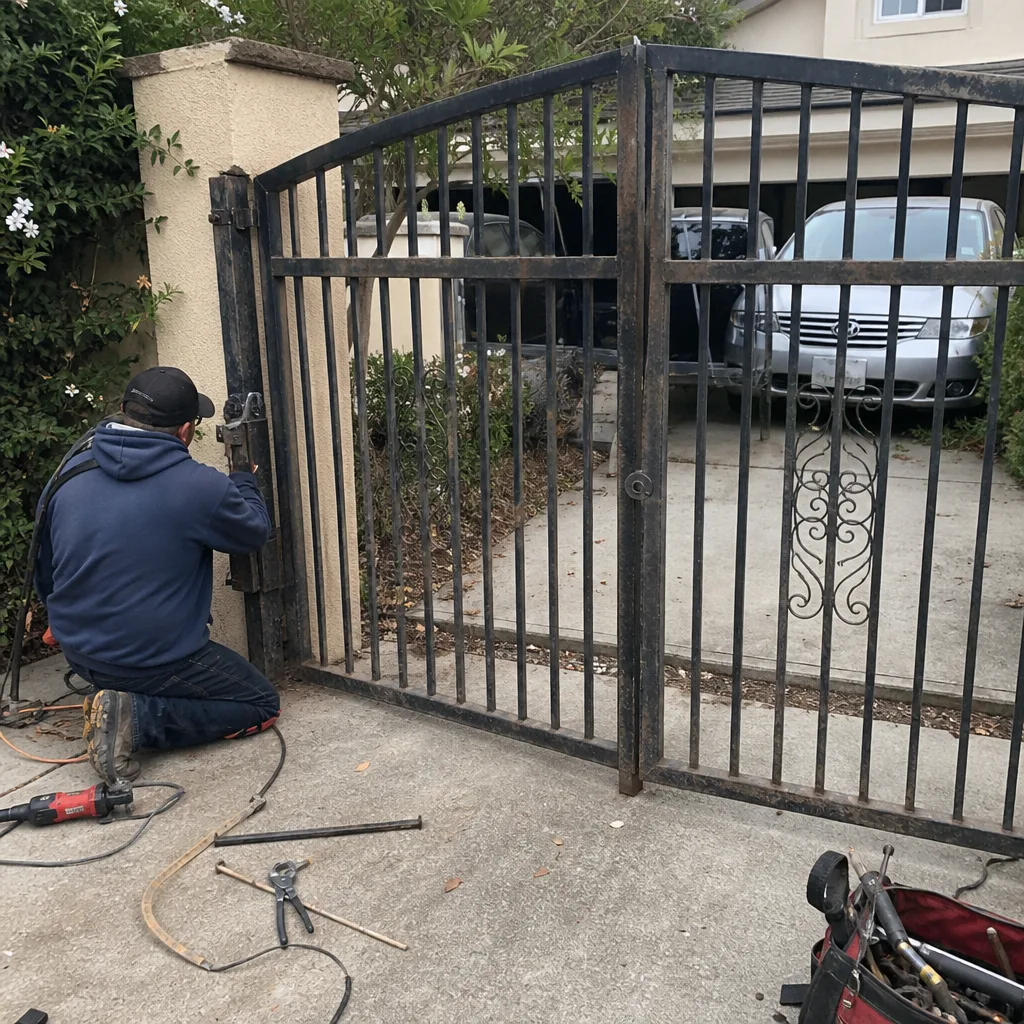 Before
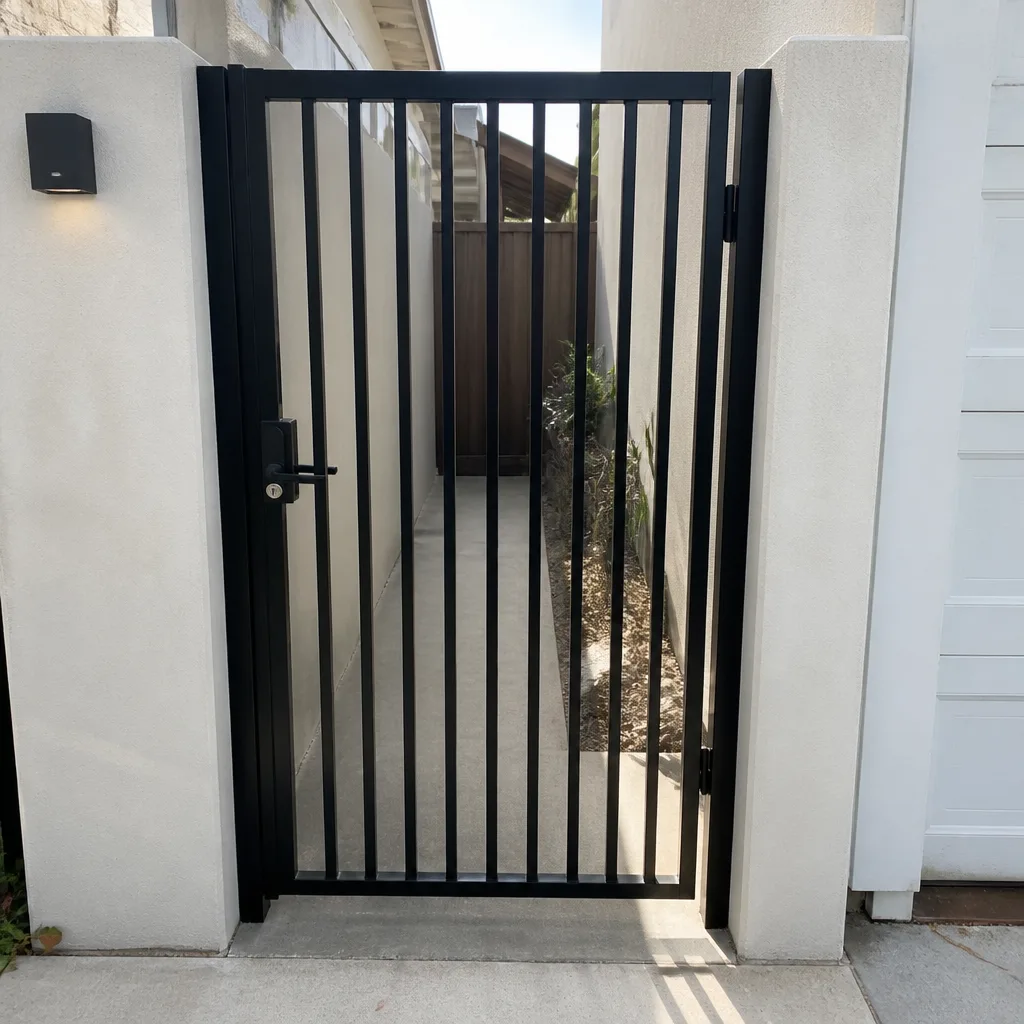 After
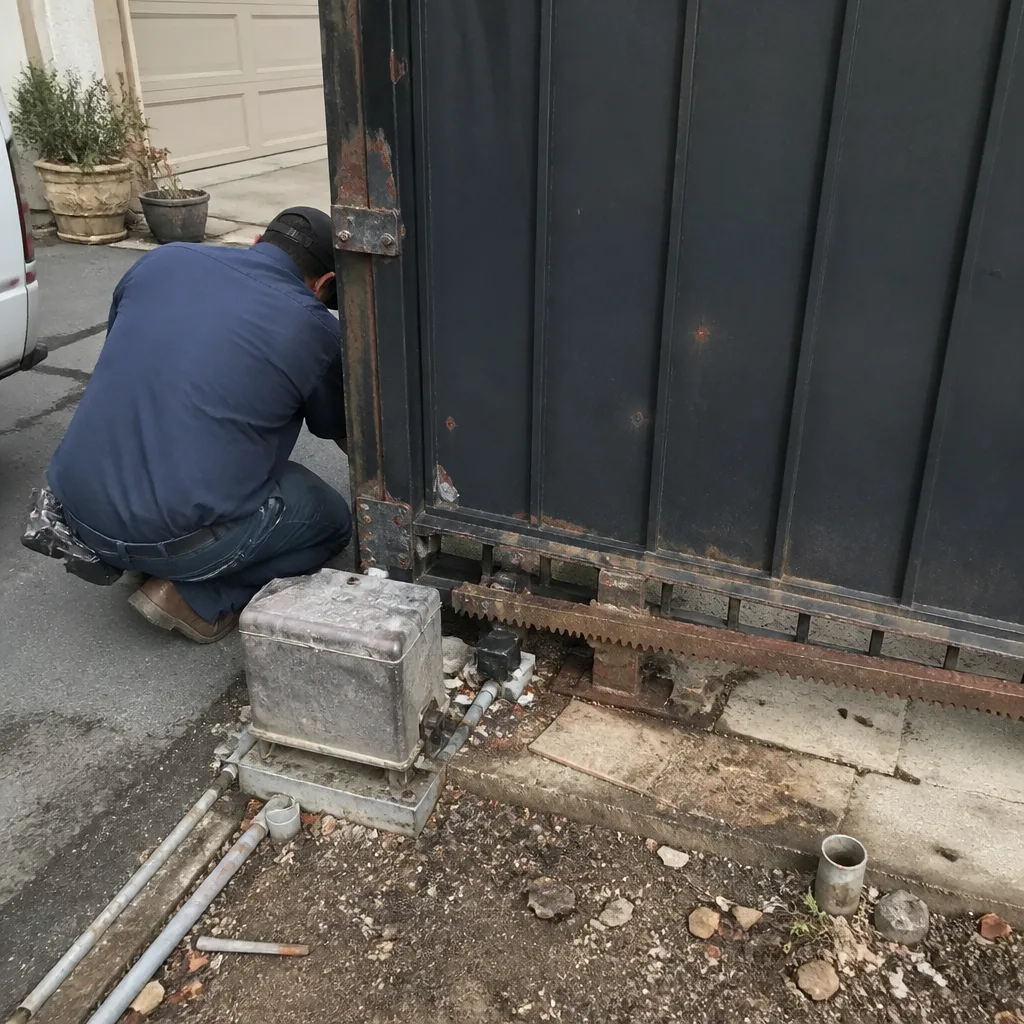 Before
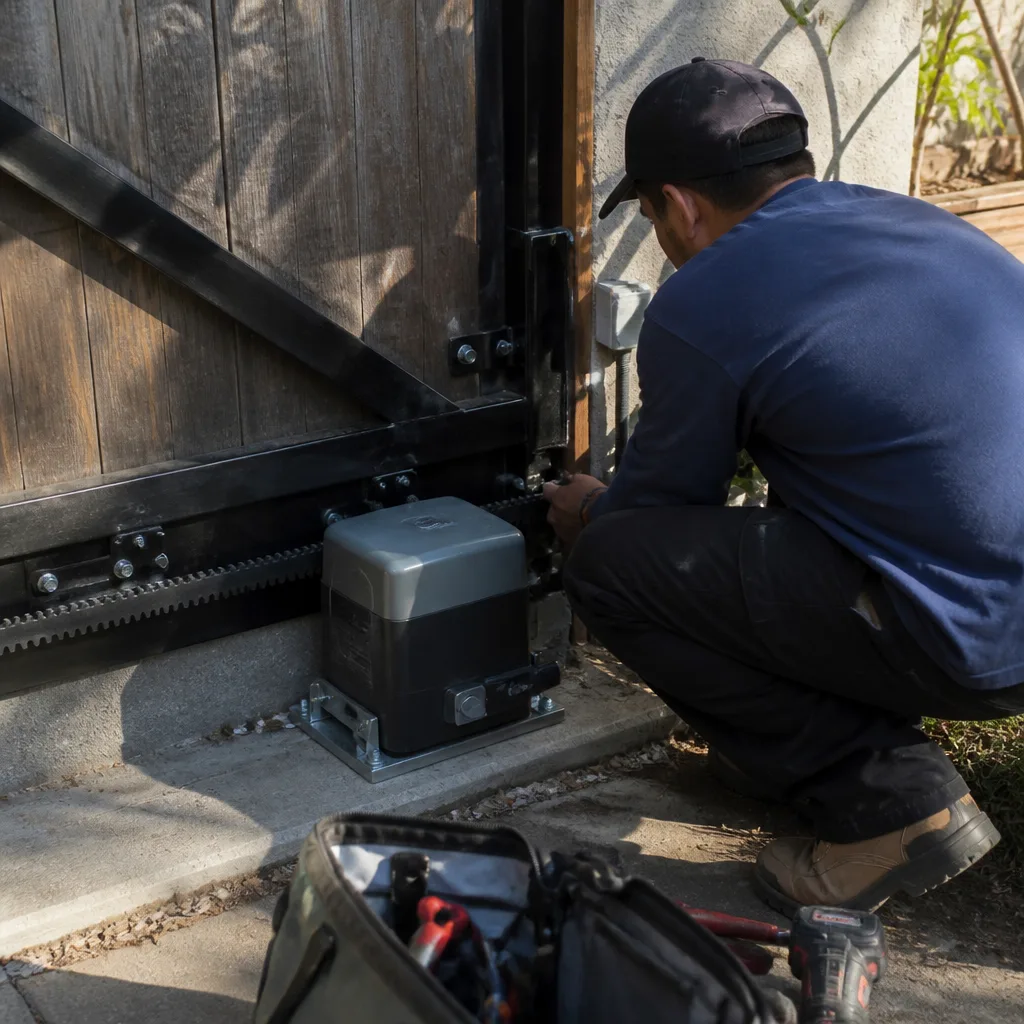 After
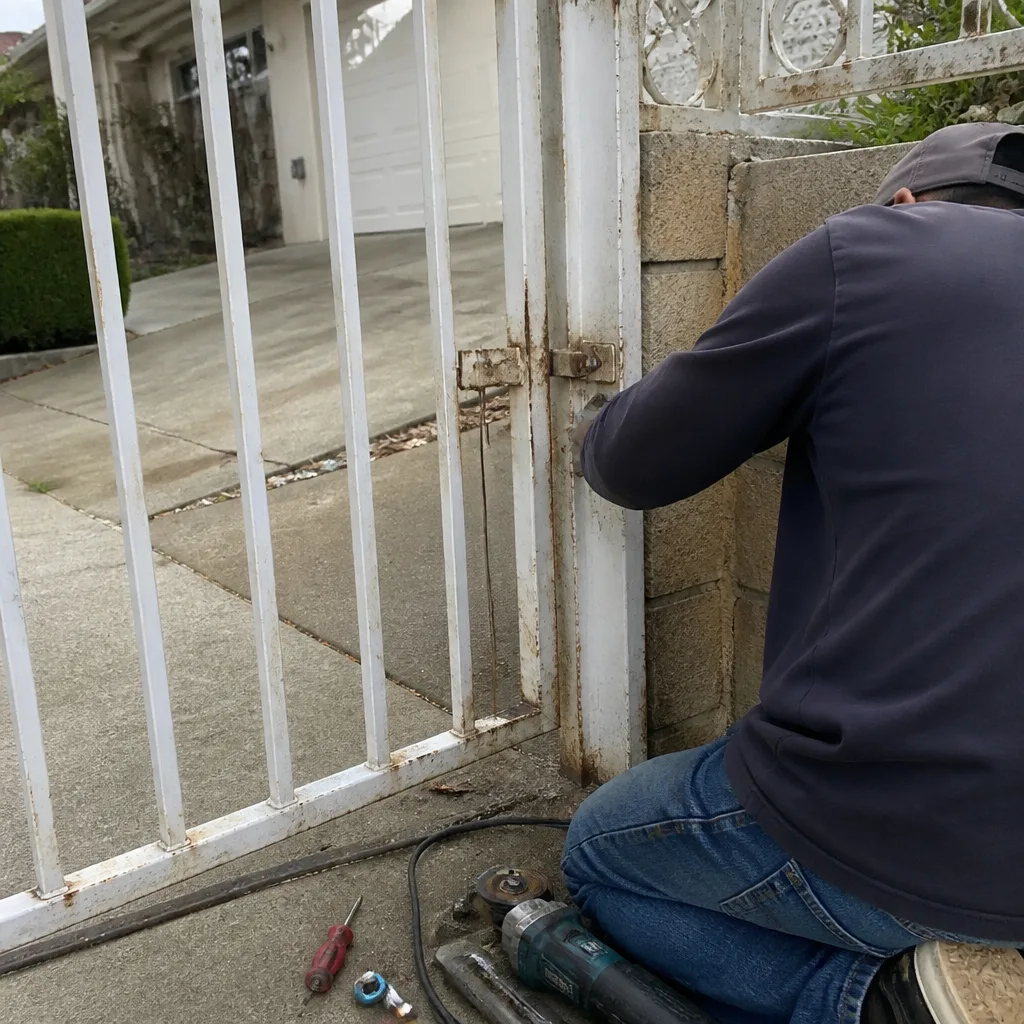 Before
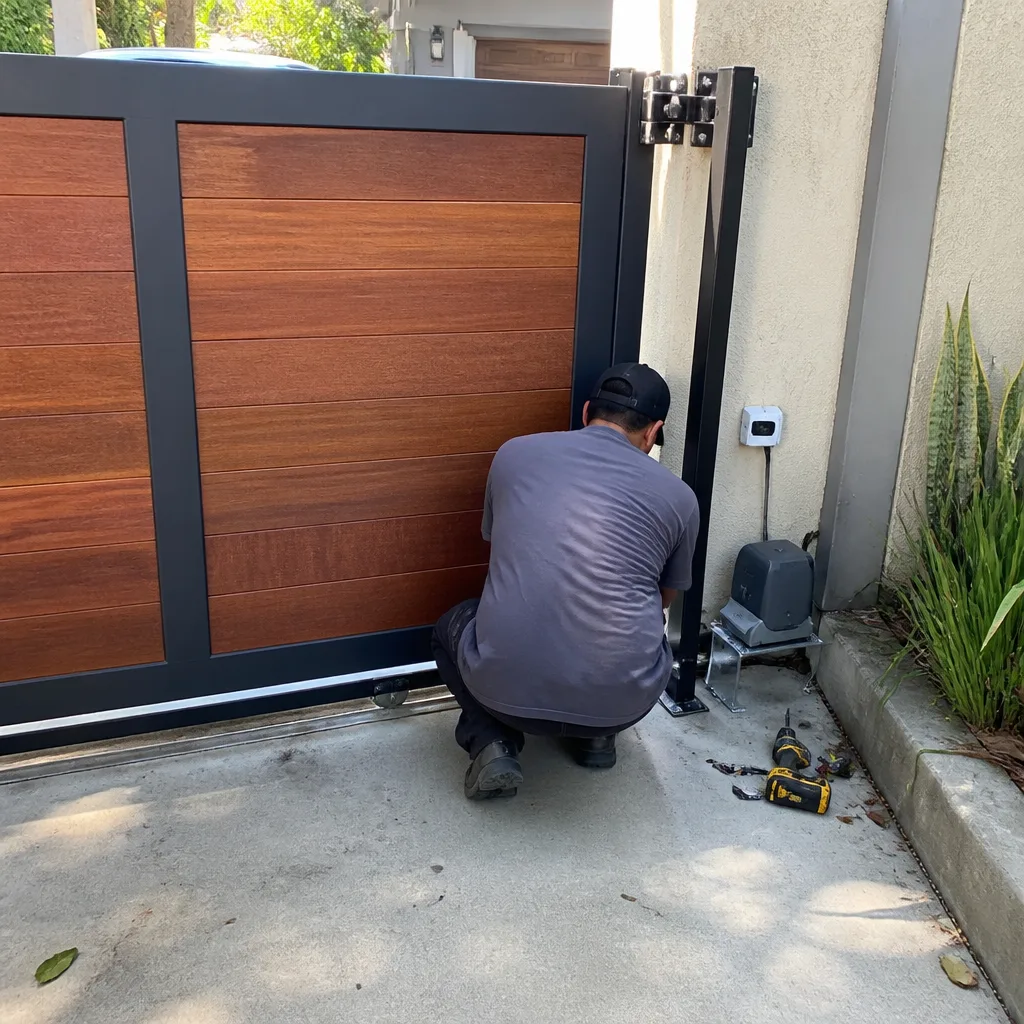 After
When to Call a Professional
Call a specialist when the symptom points to the electrical or control board categories, when the gate is heavier than you can safely lift with one hand, when warranty coverage is still active, or when you’ve tried the basic fixes and the gate still misbehaves. A gate that binds, sparks, or shudders is beyond the safe DIY zone without exception. Structural repairs on posts, frames, and hinges should involve a professional with the right equipment, because a falling gate or a snapped cable is a serious injury risk. Gate Repair services from Gate Repair Bay Terraces include free estimates in Bay Terraces. Call (877) 573-0794 to describe your symptom, and we’ll give you a straight read on what category it falls into and what the repair looks like before anyone schedules a visit.
Frequently Asked Questions
Gate repair in Bay Terraces typically ranges from $150 to $500 for common component replacements like sensors, hinges, remote programming, or minor alignment work, while control board replacements and operator motor rebuilds can run $600 to $1,400 depending on the brand and system. The price is quoted and agreed before any work starts, so you’ll never get a surprise invoice. Call (877) 573-0794 to describe your symptom and get a more specific range for your system.
Many electric gate repairs in Bay Terraces are completed the same day when the failed component is in stock locally, especially for LiftMaster and FAAC sensors, safety edges, and remote programming. More specialized parts like BFT control boards or Viking loop detectors may need a 2 – 3 day order window. We’ll tell you upfront which scenario applies once we have diagnosed the failure category.
A gate that opens but won’t close almost always points to an obstruction sensing issue: a misaligned photo eye, a dirty safety edge, or a loop detector reading false input. It can also be a limit switch that’s programmed incorrectly after a power outage. This is an electrical or sensing category problem, and it’s usually a quick fix once the right component is identified.
We maintain certified working knowledge of nine major gate and operator brands including LiftMaster, FAAC, BFT, Linear, Viking, Ghost Controls, DoorKing, Elite, and Mighty Mule. That covers everything from residential Mighty Mule swing openers to commercial-grade Viking slide gate systems. If you own a named-brand automated gate, the odds are high we know its diagnostics without opening a manual.
Yes. We repair manual swing and slide gates as well as fully automated electric gate systems, and we install both types. That covers everything from a simple driveway hinge repair to a complete automated entry system with keypads, intercoms, and safety sensors. From manual to fully automated is a core part of what we do.
Stand back and sight along the top edge of the gate; if the gap between the gate and the ground changes from one end to the other, or if the latch no longer lines up without lifting the gate, the post has likely shifted. Sandy soil conditions in parts of Bay Terraces make this more common than homeowners expect, especially on sloped lots. Post resetting is a structural repair that requires professional equipment and should not be delayed once the shift is visible.
The Bottom Line
Most gate failures in Bay Terraces fall into one of five categories: mechanical wear, electrical faults, control board issues, sensing errors, or structural misalignment. Categorizing your symptom before calling saves time, money, and the frustration of a repair that doesn’t stick. Bay Terraces homeowners face specific challenges from salt air and sandy soil that inland properties never see, so your maintenance schedule should reflect local conditions, not generic national advice. Brand-specific expertise matters more for automated systems than for manual gates, and it’s the difference between a guess and a diagnosis. When the repair is beyond the safe DIY zone, call a specialist who works on your brand, and explore our more guides & resources for ongoing maintenance tips. Gate Repair Bay Terraces is that specialist. Call (877) 573-0794 for a free estimate.
Written by the team at Gate Repair Bay Terraces, serving Bay Terraces since 2018.